

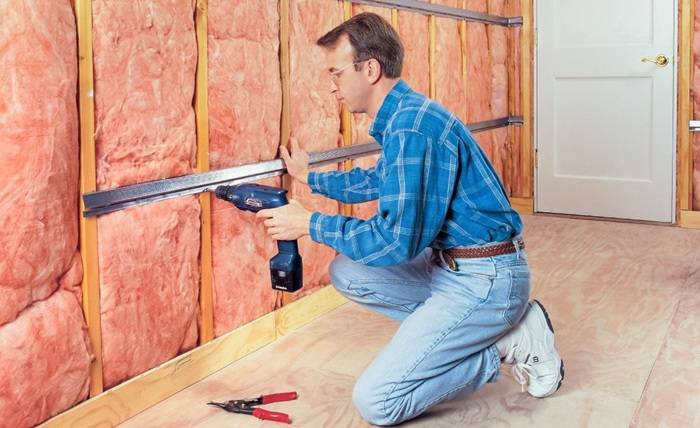
Creating a comfortable acoustic environment is crucial in modern spaces. Poor acoustics can increase stress if your work is on a graveyard shift. The noise coming into your room makes you unable to sleep during the morning. The sound reflects on the hard surfaces of the house. It causes unwanted echoes and reverberation.
The acoustic sound panels can control the sounds. The surface where it is installed is visually appealing. They reduce the sound reflections without affecting the interior design.
About the acoustic sound panel
An acoustic sound panel is a specially designed material that works to:
- absorb sound energy
- reduce echo
- reduce reverberation
This soundproofing material does not merely block the sound entering and leaving the rooms. It targets internal noise caused by the reflection from:
- walls
- floors
- ceilings
The acoustic panel consists of a sound-absorbing core that is made from different materials, namely:
- fiberglass
- mineral wool
- foam
- recycled PET fibers
It is covered by an:
- acoustically transparent fabric
- perforated surface
The design makes sound waves pass through the dissipative and outer layer within the panel. This improves the auditory environment. It converts sound energy into heat, rather than letting it bounce back. This helps improve:
- speech clarity
- acoustic comfort
- concentration
Acoustic panels and their functions
The acoustic panels function as soundproofing panels in any home. The sound waves hitting the panel will work as:
- Dissipation. Internal structures create friction that converts sound energy into heat.
- Contact. The waves penetrate the sound when encountering a fibrous or porous surface.
- Enhanced acoustics. Reduced reflections will shorten the reverberation times to create a clear and more intelligent audio.
- Multiple interactions. The panels can be layered to increase the absorption efficiency, especially for mid to high frequencies.
Types of acoustic panels
The function determines how it works acoustically. The material determines how a panel behaves physically. Panels absorb and block sounds. The distinctions of these panels are compared in different types of acoustic wall panels.
Absorptive acoustic panels
Absorptive panels control how sound behaves in a room. They do not work as a noise stopper when escaping. Instead, they reduce:
- echo
- flutter
- reverb
It captures sound waves that bounce off hard surfaces.
For example:
Absorptive panels are ideal for spaces where clarity is essential:
- offices
- classrooms
- restaurants
- recording studios
Conversations become easier to understand. It prevents a hollow, noisy feeling. The panels that fall into this category are:
- fabric-wrapped panels
- foam tiles
- PET felt panels
- acoustic baffles
Each material type has different frequency ranges.
Sound-blocking acoustic panels
Sound-blocking panels prevent sound from passing through:
- walls
- ceilings
- floors
They do not absorb energy, but reflect and contain it using heavy materials.
Sound-blocking panels are essential for separation and privacy, such as between:
- offices
- hotel rooms
- apartments
The added mass stops airborne sound, such as:
- voices
- music
- traffic
It does not leak through barriers. The blocking requires mass, and this panel is thicker and heavier than the decorative absorbers. These panels can be hidden behind architectural or drywall finishes to maintain the room design.
Hybrid or dual-function panels
Some environments need both:
- isolation
- internal control
Hybrid acoustic panels are the solution. The designs are blended with sound-blocking mass and absorptive materials.
Hybrid panels are ideal for:
- recording booths
- open-plan offices
- conference rooms
- hospitality spaces
It can be installed anywhere you want a silent boundary and balanced interior acoustics.
FAQs
What happens when absorptive panels are installed correctly?
Installing absorptive panels correctly improves comfort and acoustical definition. It turns chaotic rooms into calm environments.
Where is the best to install hybrid panels?
Hybrid panels are best installed in high-end hotel meeting rooms and recording studios. It blocks the hallway noise.
Are acoustic panels only for homes and offices?
Acoustic panels can be installed anywhere you want. The aesthetic feature of this panel makes it not only functional, but decorative too.