

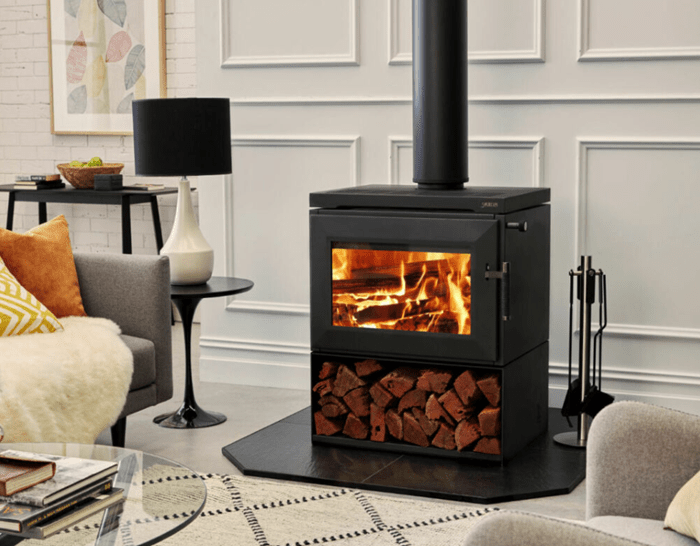
Installing wood fired heaters before winter arrives gives you more control over how your home is heated once temperatures drop. Instead of rushing decisions when the cold sets in, early installation allows time to test the system, prepare fuel, and make small adjustments that improve how the heater performs day to day.
Many households plan ahead by choosing a wood fired heater for winter early in the season, which makes it easier to organise installation and ensure everything is working properly before it is needed.
You avoid last-minute installation pressure
As winter approaches, demand for heating systems increases quickly. Installers become fully booked, and available stock can become limited. This often leads to rushed decisions or delays in getting the system installed.
Installing earlier removes that pressure. You have more flexibility when booking installation and more time to consider placement, size, and setup. This leads to a better overall result, as the heater is positioned correctly and installed without cutting corners.
For example, installing in early autumn gives enough time to test airflow, adjust burn settings, and confirm that heat reaches the main living areas before colder nights arrive.
You can test and adjust how the heater performs
A wood fired heater does not perform at its best straight away. It takes some use to understand how it burns, how airflow affects heat output, and how quickly different types of wood ignite and maintain temperature.
Installing early allows time to learn how the heater works in your home. You can experiment with airflow settings, check how long heat is retained, and make adjustments to improve comfort.
This makes a difference once winter begins. Instead of learning during cold nights, the system is already working the way you need it to.
Properly prepared firewood improves heat output
The type and condition of firewood directly affect how well a heater performs. Fresh wood contains moisture, which reduces heat output and creates more smoke.
Wood needs time to dry, often over several months, to reach a moisture level that burns efficiently. Installing a heater early gives you time to source and store firewood properly before it is needed.
Dry wood burns hotter and more consistently. It also produces less smoke, which keeps the heater cleaner and improves air quality inside the home.
Running costs are easier to manage
Heating costs can increase during winter, especially when electricity and gas demand rises. Wood heating offers more predictable costs, but only if fuel is prepared in advance.
By installing early, you can plan how much firewood you need and source it before peak demand. This avoids higher prices and limited availability later in the season.
It also allows you to monitor how much fuel your heater uses under normal conditions, helping you estimate ongoing costs more accurately.
Heat distribution can be improved over time
A wood fired heater produces strong radiant heat, but how that heat moves through the home depends on layout and airflow.
Installing before winter allows time to make small adjustments that improve heat distribution. This might include repositioning furniture, opening or closing internal doors, or identifying areas where heat escapes.
These changes help create a more even temperature throughout the home. Without this adjustment period, some rooms may remain colder while others become overheated.
Reliable heating during power outages
One of the practical advantages of wood fired heaters is that they do not rely on electricity to operate. This makes them useful during power outages, which can occur more frequently during winter storms or peak demand periods.
Having the system installed and tested before winter ensures it is ready when needed. If the power goes out, the heater can still provide a stable source of warmth.
This reliability becomes more important in colder conditions, where maintaining indoor temperature is essential.
Installation quality improves when done early
Correct installation affects both safety and performance. This includes proper flue placement, ventilation, and clearance from surrounding materials.
When installation is rushed, these details may not receive the attention they require. Installing earlier allows for a more thorough setup, including testing and adjustments if needed.
This reduces the risk of issues later, such as poor airflow, inefficient burning, or heat loss.
Preparing the home improves overall efficiency
The heater is only one part of the system. How well the home retains heat also affects performance.
Installing early gives you time to address gaps around windows and doors, improve insulation, and make other changes that reduce heat loss. These improvements allow the heater to work more efficiently and maintain a consistent temperature.
Without this preparation, the heater may need to work harder to achieve the same result.
Long-term performance depends on early setup
The way a wood fired heater is installed and used early on affects how it performs over time. Learning how to manage airflow, using the right type of wood, and maintaining the system all contribute to long-term reliability.
Starting this process before winter means fewer issues once the heater is used regularly. It also helps extend the lifespan of the system by reducing unnecessary strain.
Installing a wood fired heater before peak winter gives you time to set up the system properly, prepare fuel, and make adjustments that improve performance. It also avoids installation delays and allows you to manage heating costs more effectively.
With the right setup in place before temperatures drop, the heater becomes a reliable and consistent source of warmth throughout the colder months.