

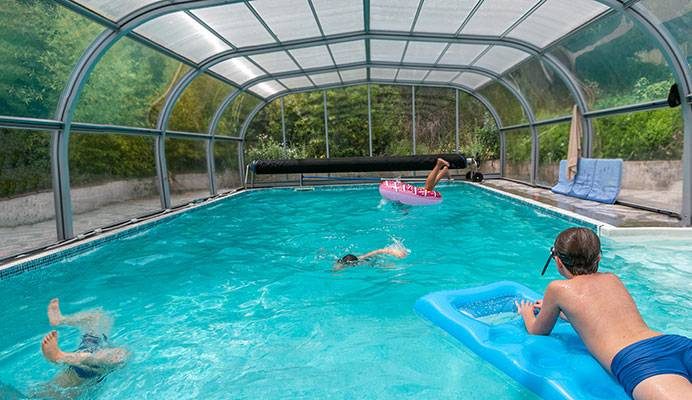
An enclosure pool screen does more than keep out bugs — it protects your pool, improves comfort, and extends the lifespan of your outdoor area. But in a hot and humid climate — like Florida, Texas, or Southeast Asia — selecting the right pool screen is even more important.
High humidity introduces unique challenges: mold and mildew growth, corrosion, warping frames, and UV damage from strong sunlight. This guide breaks down what to look for in an enclosure pool screen that performs well in heat and humidity, the best materials to consider, and practical tips for keeping your outdoor space functional and enjoyable.
Why Climate Matters for Pool Screens
Hot and humid climates accelerate the deterioration of outdoor materials. Studies suggest that materials exposed to high humidity and heat can degrade up to 50% faster than in moderate climates. This happens because:
- Moisture promotes mold and mildew growth
- Metal frames are prone to corrosion
- UV exposure causes fading, cracking, and brittleness
Choosing the right enclosure pool screen is therefore essential to maintain both aesthetics and durability.
Key Features of an Effective Enclosure Pool Screen
When selecting a pool enclosure screen for hot, humid areas, consider the following features:
Material Durability
The best pool screens resist moisture, rust, and UV damage. Popular options include:
- Fiberglass Mesh: Lightweight, flexible, and resistant to corrosion, making it ideal for humid environments.
- Aluminum Mesh: Strong and durable; powder-coated options resist oxidation and rust.
- Vinyl-Coated Polyester: Heavy-duty screens with superior resistance to mold and UV damage.
For added comfort, look for a screen that offers 80–90% shade, which can also help lower pool water temperatures.
Corrosion-Resistant Frames
Steel frames may seem strong but often rust quickly in humid climates. Opt for frames made from powder-coated aluminum, combined with stainless steel fasteners, for maximum longevity. High-quality frames prevent warping and maintain the structural integrity of your pool enclosure over time.
UV Protection and Cooling Benefits
Excessive sunlight not only heats your pool but also increases chemical usage and fades furniture and decking. An enclosure pool screen that blocks at least 85% of UV rays protects your pool area while reducing heat buildup. In fact, some solar screens can lower the perceived temperature by 10–15°F, making your outdoor area more comfortable for lounging or swimming.
Mold and Mildew Resistance
Hot, humid climates are a prime breeding ground for mold and mildew. Screens with antimicrobial coatings or UV treatment are easier to maintain and stay cleaner for longer, ensuring a safer and more pleasant environment around your pool.
Best Types of Enclosure Pool Screens for Warm Climates
Solar Screens
Solar screens are designed to block intense sun rays, reduce glare, and lower heat gain. They are ideal in regions where summer temperatures frequently exceed 90°F. In addition to cooling benefits, solar screens provide added privacy and protect decking, furniture, and pool equipment from sun damage.
Fine-Mesh Screens
Fine-mesh screens keep insects out while allowing airflow, which is crucial in hot climates. Proper ventilation prevents heat from building up and reduces moisture accumulation, making evening swims and outdoor gatherings more comfortable.
Heavy-Duty PVC Screens
For extreme conditions, heavy-duty PVC screens are a strong investment. They resist tearing, mold, and UV damage, and often last decades in hot and humid environments. Though pricier upfront, they can save money in the long run by minimizing repairs and replacements.
Maintenance Tips for Long-Lasting Pool Screens
Even high-quality screens require care to stay effective:
- Clean monthly: Use a soft brush and mild soap solution to remove dirt and debris.
- Inspect regularly: Check for small tears, loose joints, or corrosion on frames.
- Address mold promptly: Treat mold as soon as it appears with gentle cleaners. Avoid harsh pressure washing, which can damage screen fibers.
Regular maintenance can extend the life of your enclosure pool screen by years, especially in challenging climates.
Cost Considerations
The cost of an enclosure pool screen varies depending on material and quality. Standard fiberglass or aluminum screens are more affordable, while solar and heavy-duty PVC screens have higher upfront costs but offer superior durability in hot, humid environments. Investing in quality screens reduces the need for frequent replacements and maintenance.
Expert Tips for Maximum Performance
- Choose lighter-colored screens: Reflect heat and keep the pool area cooler.
- Ensure proper drainage: Pool enclosures should allow water to flow away to prevent pooling.
- Professional installation: Correct tensioning and support maximize durability and prevent sagging or damage.
Conclusion
Selecting the best enclosure pool screen for hot and humid climates requires careful consideration of durability, airflow, UV protection, and resistance to mold. Whether you choose solar, fine-mesh, or heavy-duty PVC, investing in a high-quality screen will keep your pool cleaner, cooler, and more enjoyable year-round.
By combining the right material with proper maintenance, you can ensure your pool enclosure withstands harsh weather conditions while providing comfort, protection, and aesthetic appeal for years to come.