

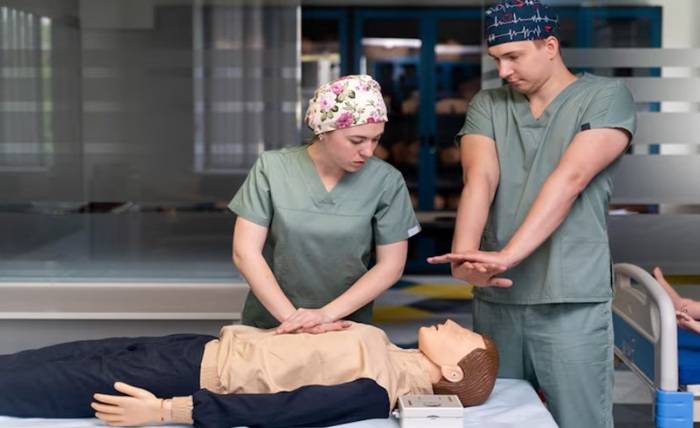
People of all ages, classes, and jobs have problems with their mental health. These problems, like anxiety, sadness, stress, and burnout, can affect your daily life, your relationships, and how well you do at work. A Mental Health First Aid Course teaches participants how to recognise early warning signs, offer initial support, and guide individuals toward professional help. But who exactly should consider taking this course? The simple answer is everyone. However, certain groups can benefit even more from this essential training.
Workplace Professionals and Managers
Employees spend a large part of their day at work, making workplaces a key setting for mental well-being. Managers, team leaders, and HR professionals are often the first to notice changes in behaviour, productivity, or mood. Completing mental health training helps them respond appropriately and support their teams with empathy and understanding. This training also equips professionals to handle sensitive conversations, reduce stigma, and create a supportive workplace culture. When leaders are educated about mental health, it improves communication and builds trust across the organisation.
Teachers and Education Staff
Schools and colleges are environments where students face academic pressure, social challenges, and personal struggles. Teachers, counsellors, and school staff regularly interact with young people who may show signs of emotional distress. A Mental Health First Aid Course empowers educators to identify early symptoms and provide immediate support. This knowledge can help prevent small issues from becoming major problems and ensures students feel safe seeking help when they need it.
Parents and Caregivers
Parents, guardians, and other carers are very important for mental growth. Teenagers and kids may not always be able to say how they feel, so people need to be able to spot small changes in how they act. Carers can better understand what their loved ones are going through and help them stay calm by learning mental health first aid. This training promotes open conversation and teaches useful ways to help family members through tough times.
Healthcare and Support Workers
Nurses, aged care workers, disability support staff, and community workers frequently interact with people who are vulnerable or experiencing distress. While they may already have basic healthcare training, mental health first aid provides specialised skills for emotional support. Understanding how to respond to panic attacks, mood disorders, or emotional crises enhances their ability to provide holistic care and reassurance.
Community Leaders and Volunteers
Coaches, religious leaders, youth mentors, and volunteers are often trusted figures within their communities. People may turn to them during difficult moments. Being trained in mental health first aid allows these leaders to offer initial support while guiding individuals to professional services. Those interested in Mental Health Courses Sydney can find programs designed for community engagement, ensuring they are well prepared to assist diverse groups.
Students and Young Adults
Young adults face unique challenges, including academic pressure, career uncertainty, and social changes. Learning mental health first aid helps students support themselves and their peers. It encourages empathy, builds confidence, and promotes early intervention when someone shows signs of distress. These skills are valuable for personal growth and future professional roles.
People Interested in Crisis Support
Training is a good idea for anyone who wants to learn how to handle mental crises. A Mental Health Crisis Response Course teaches participants how to assist individuals experiencing panic attacks, suicidal thoughts, or severe emotional distress. Understanding what to say, what not to say, and when to seek professional help can make a real difference in critical situations.
Why This Course Matters for Everyone
Mental health problems can happen to anyone, at any age or job. By learning mental health first aid, individuals become more aware, compassionate, and confident in supporting others. The course encourages early intervention, which can prevent problems from escalating. It also helps break down stigma and promotes open discussions about mental well-being.
Conclusion
A Mental Health First Aid Course is not just for professionals. It is for parents, teachers, students, community members, and anyone who wants to make a positive difference. With proper training, individuals gain practical skills to support others during difficult times. In a world where mental health awareness is more important than ever, this course equips people with the knowledge and confidence to help when it matters most.