

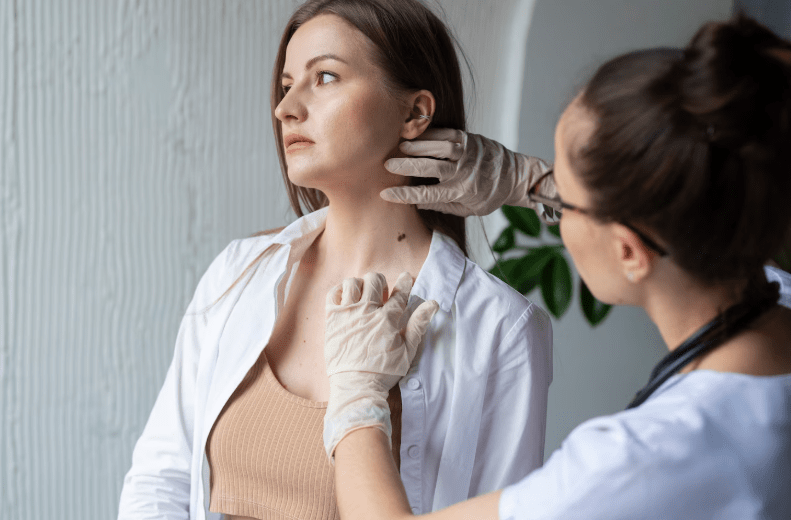
Spider veins, often appearing as tiny red, blue, or purple streaks under the skin, can be a cosmetic concern for many individuals. Although they are harmless, their presence can impact self-esteem and body confidence. Understanding the causes, symptoms, and available treatments is crucial for those seeking effective solutions. Clinics such as Metro Vein, known for their expertise in vein health and advanced treatment options, offer patients reliable and effective pathways to clearer skin.
This article explores various options to treat spider veins, from at-home remedies to professional interventions—including those provided by specialized centers like Metro Vein—ensuring that readers can make informed decisions and achieve the smooth, clear skin they desire.
Understanding Spider Veins: Causes and Symptoms
What are Spider Veins?
Spider veins, also known as telangiectasias, are small clusters of blood vessels that can be seen close to the surface of the skin. They usually appear on the legs and face, forming a web-like pattern that can vary in size and color.
Causes of Spider Veins
The development of spider veins can occur due to various factors:
- Genetics: A family history of spider veins can increase susceptibility.
- Hormonal Changes: Fluctuations from pregnancy, menopause, or hormonal treatments can contribute.
- Prolonged Sitting or Standing: Occupations that require long periods in one position can lead to increased pressure in the veins.
- Obesity: Extra weight can exacerbate vein issues.
- Sun Exposure: UV radiation can damage skin, making veins more visible.
Symptoms
While spider veins are generally painless, they can sometimes cause discomfort, such as:
- A feeling of heaviness in the legs.
- Itching or burning sensations.
- Minor swelling.
Identifying these symptoms early can aid in selecting the best treatment methods.
At-Home Remedies for Spider Veins
Natural Solutions
Before pursuing professional treatment, some individuals may find relief using at-home remedies:
- Compression Stockings: These specially designed stockings help improve circulation and reduce symptoms.
- Herbal Remedies: Certain herbs, such as horse chestnut and butcher’s broom, may help strengthen vein walls and reduce swelling.
- Dietary Changes: Incorporating flavonoid-rich foods, like berries and citrus fruits, can enhance vein health.
- Leg Elevation: Elevating the legs can improve blood circulation and reduce swelling.
- Regular Exercise: Engaging in physical activity, particularly exercises focused on leg muscles, can promote heart health and improve circulation.
Limitations
While these remedies may help alleviate mild symptoms, they often do not eliminate spider veins completely. A combination of home care and professional treatments is generally more effective.
Professional Treatments for Spider Veins
Overview of Procedures
For those seeking immediate and effective solutions, professional treatments can significantly reduce or eliminate spider veins:
- Sclerotherapy: This involves injecting a solution directly into the affected veins, causing them to collapse and fade from view. It is often performed in a doctor’s office and requires no downtime.
- Effectiveness: Many patients see significant improvement within a few weeks.
- Laser Therapy: Laser treatments target veins using focused light energy, which not only reduces their appearance but also minimizes discomfort.
- Benefits: This method is less invasive than sclerotherapy and is effective for smaller veins.
- Radiofrequency Ablation: This procedure uses heat to collapse the veins, redirecting blood flow to healthier vessels. It’s typically used for larger veins and requires local anesthesia.
- Results: Patients often see immediate results, with little to no recovery time.
Choosing a Treatment
The choice of treatment depends on the severity of the spider veins and individual preferences. A consultation with a healthcare professional will help determine the most effective approach.
Lifestyle Changes to Prevent Spider Veins
Strategies for Prevention
Incorporating certain lifestyle changes can help reduce the risk of developing spider veins in the future:
- Maintain a Healthy Weight: Keeping weight in check reduces pressure on leg veins.
- Exercise Regularly: Engaging in activities that promote good circulation, like walking or cycling, can strengthen veins.
- Avoid Prolonged Sitting or Standing: Regular breaks and movement can improve blood flow.
- Wear Protective Clothing: Long pants and UV protective clothing can prevent sun damage.
- Stay Hydrated: Adequate water intake keeps veins functioning optimally.
Adopting these habits can play a significant role in preventing the worsening or formation of new spider veins.
Choosing the Right Treatment for You
Factors to Consider
When deciding on spider vein treatments, individuals should consider:
- Severity of the Condition: Are the veins mild and not causing any symptoms or are they more severe?
- Personal Health History: Factors like existing health conditions can affect treatment options.
- Desired Outcomes: Are aesthetic results the main concern, or are symptom relief and prevention equally important?
- Consultation Recommendations: Seeking a professional evaluation will guide individuals to the best-suited treatment tailored to their needs.
Making a well-informed choice ensures a treatment that aligns with personal goals and health requirements.
Conclusion
Achieving smooth, clear skin free of spider veins is possible through a combination of lifestyle changes, at-home remedies, and professional treatments. While spider veins can be a cosmetic concern, understanding their causes, symptoms, and available treatments empowers individuals to take proactive steps. Whether opting for at-home care or professional interventions, the key lies in effectively managing the condition and enhancing overall vascular health. By following the advice provided in this guide, individuals can work towards healthier, more beautiful skin.