

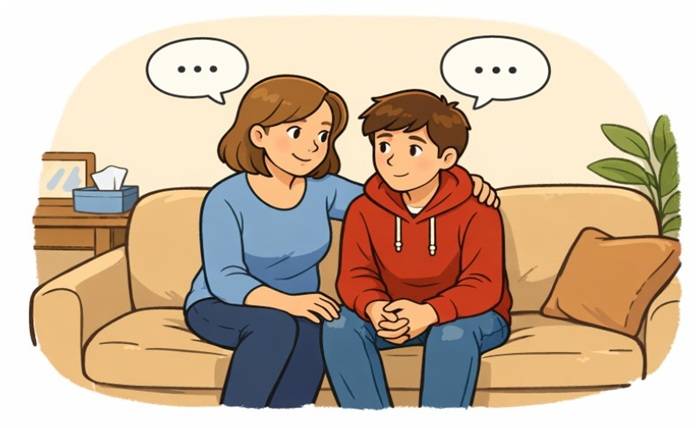
Adolescence is a period of significant emotional, social, and psychological change, which can sometimes make it difficult to distinguish between typical teenage behavior and early signs of mental health concerns. Changes in mood, withdrawal from family or friends, declining academic performance, shifts in sleep or appetite, and increased irritability may indicate that a teen is struggling internally. Recognizing these warning signs early is important, as timely awareness can help guide supportive conversations and appropriate intervention when needed.
Support systems and reliable information can play an important role in helping families better understand adolescent mental health challenges. While professional evaluation is essential for diagnosis and treatment, general educational resources can provide helpful context about behavioral changes and possible concerns. One such resource is visionsteen.com, which offers information that may support awareness and understanding of teen emotional well-being and related issues without replacing professional care or guidance when it is needed most.
Behavioral Changes
Noticeable changes in how your teen acts are often the first clue that something deeper is wrong. Increased irritability, frequent angry outbursts, or abrupt withdrawal from hobbies may signal underlying mental health challenges. These shifts might show up as reckless risk-taking, secretive behavior, or disregard for rules. Because the source can range from stress to more serious conditions, monitoring these patterns is essential. Open communication about what might be driving these changes helps teenagers feel heard and understood.
Emotional Indicators
Emotional well-being often manifests in how teens interpret or react to daily events. If a teenager is experiencing constant sadness, hopelessness, anxiety, or heightened feelings of guilt, these are significant indicators. When these feelings last for more than two weeks or escalate to the point of interfering with daily life, professional intervention is strongly recommended. These intense emotions might stem from trauma, social pressures, or physical changes in the brain during adolescence, so compassionate support is vital.
Physical Symptoms
Mental health struggles can trigger a range of unexplained physical symptoms. Recurring headaches, gastrointestinal complaints, or fatigue, especially without a medical explanation, should be noted. Changes in sleep patterns, such as insomnia or sleeping excessively, are classic red flags for depression or anxiety in young people. If you observe substantial changes in eating habits or a notable decline in energy, these may also point to a mental health issue that needs evaluation.
Decline in Academic Performance
Kids who feel overwhelmed emotionally often find their school performance slipping. Sudden drops in grades, incomplete assignments, or regularly skipping classes may all indicate an underlying issue. Changes might not be limited to the academic realm; they can also show up socially, with teens avoiding participation in class discussions or group projects. Teachers and counselors may notice these signs before parents, so keeping an open dialogue with school staff is important for early intervention and identifying resources to support your teen.
Social Withdrawal
If your previously social teen starts isolating from friends or family, spends long hours alone, or avoids previously enjoyable activities, this warrants attention. Social withdrawal is a common feature of both depression and anxiety. Persistent withdrawal may also indicate your teen is struggling with relationships, bullying, or self-esteem issues. Encouraging gentle, nonjudgmental conversations can uncover whether deeper problems are at work and if professional help is needed.
Substance Use
The increasing trend of teens turning to substances, alcohol, marijuana, or other drugs, as a coping mechanism, is a significant risk factor for mental health concerns. Frequently, substance use emerges as a way to self-medicate depression, anxiety, or trauma, complicating the underlying problems in the process. If you notice sudden changes in your teen’s behavior, peer group, or discover evidence of substance use, early intervention is critical. Openly addressing the dangers, rather than punishing, often results in better outcomes for teens seeking support and change.
Self-Harm and Suicidal Thoughts
Acts of self-harm, such as cutting or burning, as well as any expressions of suicidal ideation, are urgent mental health red flags. These behaviors are never simply a “phase” and always warrant prompt professional attention. Be alert to statements about feeling worthless, hopeless, or wishing to disappear, as they may reveal hidden despair. If you observe any evidence of self-injury or hear talk of suicide, contact a mental health professional immediately.
Seeking Professional Help
When any of these warning signs persist, reaching out for professional mental health support is an essential step for your teen’s well-being. Begin by consulting your child’s primary care provider, who can recommend mental health specialists. Early action increases the chances of successful treatment and a smoother recovery process. Remind your teen that needing help is not a weakness, but a crucial part of self-care and growth. Encouragement, understanding, and professional guidance support your teen at every stage of their healing journey.
Conclusion
Recognizing warning signs in teens is essential for early support and intervention. Behavioral, emotional, physical, academic, and social changes can all signal deeper struggles. When concerns persist or escalate, seeking professional guidance helps ensure timely care. With awareness, patience, and understanding, families can better support a teen’s mental health journey.