

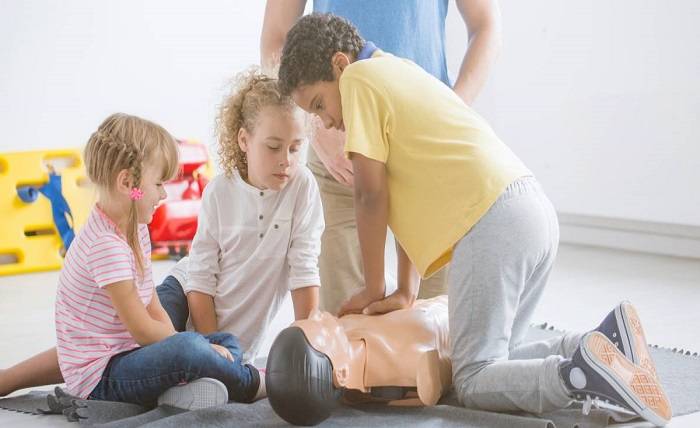
Modern life moves quickly, and unexpected emergencies can happen anywhere. From road accidents and sports injuries to workplace incidents and sudden medical conditions, people are often placed in situations where immediate action is necessary. Learning emergency response techniques gives individuals the practical ability to react effectively while waiting for professional medical assistance.
Emergency response training is no longer viewed as knowledge reserved only for healthcare professionals. Today, people from many industries and backgrounds recognise the importance of understanding how to handle urgent situations safely and responsibly.
Improving Decision Making Under Pressure
One of the lesser discussed benefits of emergency response education is improved decision-making. In stressful moments, people often struggle to think clearly. Training helps individuals develop structured thinking patterns that guide them through emergencies step by step.
When someone understands how to assess injuries, identify risks, and prioritise actions, they are more likely to remain composed during critical situations. Courses such as HLTAID011 Provide First Aid help participants practice realistic scenarios that improve reaction speed and mental focus.
This ability to think clearly under pressure can also carry over into daily life and professional environments, improving confidence in challenging situations beyond medical emergencies.
Strengthening Public Event Safety
Large gatherings such as concerts, sporting events, festivals, and conferences create situations where injuries or medical incidents may occur unexpectedly. Individuals trained in emergency response techniques can provide valuable support in crowded environments before emergency teams arrive.
People with emergency training often recognise warning signs earlier than others. Whether identifying dehydration, heat exhaustion, allergic reactions, or panic-related incidents, trained individuals can help prevent situations from becoming more serious.
As public events continue to grow in size and complexity, communities increasingly value individuals who can contribute to overall event safety and preparedness.
Supporting Safer Learning Environments
Educational institutions also benefit from having staff and instructors trained in emergency response procedures. Schools, colleges, and training centres are responsible for the well-being of large groups of students every day.
Professionals who complete qualifications such as Cert IV in Training and Assessment may play an important role in teaching workplace safety, emergency awareness, and practical response skills to others. Their ability to communicate safety procedures effectively helps create more informed and prepared learning environments.
Students often feel more secure when educators and trainers are equipped to respond confidently during emergencies. This creates a stronger sense of trust within educational settings.
Increasing Awareness of Everyday Hazards
Emergency response training changes the way people observe their surroundings. Individuals become more aware of potential risks that others may overlook. Slippery surfaces, unsafe electrical equipment, blocked exits, poor lifting techniques, and hazardous storage practices become easier to identify after safety education.
This increased awareness encourages preventive thinking. Instead of reacting only after accidents happen, trained individuals often take steps to reduce hazards before problems occur.
Over time, this mindset contributes to safer homes, workplaces, and public spaces. Prevention remains one of the most valuable aspects of emergency preparedness.
Enhancing Leadership Qualities
People who complete emergency response programs frequently develop stronger leadership abilities. Emergencies require communication, quick organisation, calm behaviour, and the ability to guide others during stressful situations.
These leadership qualities are valuable in many professional settings. Employers often appreciate workers who can remain dependable during unexpected events and help maintain order during workplace incidents.
For individuals pursuing professional development opportunities such as Cert IV training and assessment Melbourne, combining instructional skills with emergency response knowledge may strengthen their ability to lead training sessions and workplace safety discussions effectively.
Encouraging Community Responsibility
Emergency response education also promotes a greater sense of community involvement. People who understand first aid and emergency procedures are often more willing to assist others in public settings.
Communities become stronger when more individuals possess practical life-saving knowledge. Whether helping during a natural disaster, supporting someone during a medical emergency, or assisting injured individuals after an accident, trained community members can make meaningful contributions before emergency services arrive.
This shared responsibility helps create environments where people feel safer and more supported in times of need.
Preparing for Modern Workplace Expectations
Many industries now expect employees to possess at least basic emergency response knowledge. Businesses increasingly prioritise safety standards, risk management, and employee well-being.
Workers who complete emergency response courses may improve their employability across industries, including education, hospitality, childcare, fitness, construction, and corporate environments. Employers recognise that trained staff members can help reduce workplace risks and contribute to stronger safety practices.
As workplace safety regulations continue evolving, emergency response education is becoming an important professional skill rather than simply an optional qualification.
Conclusion
Learning emergency response techniques offers practical benefits that extend far beyond handling medical emergencies. It improves confidence, leadership, awareness, communication, and decision-making in both personal and professional situations.
From supporting safer workplaces and public events to strengthening communities and educational environments, emergency response training equips people with valuable, real-world skills. In an unpredictable world, the ability to act calmly and responsibly during emergencies remains one of the most practical and important forms of knowledge a person can develop.