

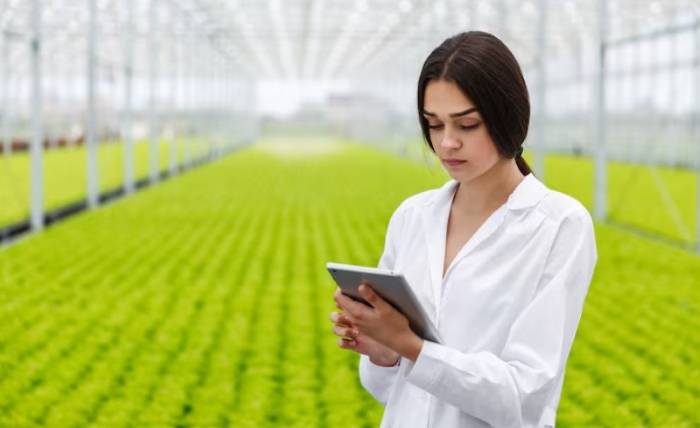
Agriculture is evolving rapidly as technology becomes an essential part of modern farming practices. Smart farming focuses on using advanced tools and data-driven methods to increase productivity, reduce waste, and improve overall efficiency. By adopting these innovative techniques, farmers can make better decisions, manage resources wisely, and achieve higher crop yields while lowering operational costs.
Precision Agriculture for Better Decision-Making
Precision agriculture uses data collected from sensors, satellites, and GPS systems to monitor field conditions accurately. Farmers can analyze soil moisture levels, nutrient content, and crop health in real time. This information allows them to apply fertilizers, pesticides, and water only where needed. Instead of treating an entire field the same way, farmers can target specific areas, which saves resources and enhances crop performance.
Smart Irrigation Systems
Managing water is a very important part of farming. Smart watering systems use sensors and information about the weather to figure out how much water plants need. These systems change when to water plants based on weather conditions like rain, temperature, and soil wetness. So, veggies get the right amount of water, which cuts down on waste and stops over-watering. Using water efficiently also helps roots grow stronger and plants grow better.
Drones and Aerial Monitoring
Drones are becoming a valuable tool in smart farming. They provide high-resolution images of fields, helping farmers detect early signs of crop stress, pest infestations, and nutrient deficiencies. With aerial monitoring, farmers can cover large areas quickly and identify problem spots before they spread. This early intervention helps protect crops and ensures better yields at harvest time.
Soil and Crop Sensors
Soil and crop sensors collect vital data about temperature, humidity, and nutrient levels. These sensors are placed in fields to provide real-time updates on growing conditions. Farmers can use this data to make timely adjustments, such as changing irrigation schedules or applying fertilizers when needed. Monitoring crop health closely allows farmers to prevent disease and improve plant growth throughout the season.
Automated Machinery and Equipment
Automation is transforming farm operations by reducing labor costs and improving efficiency. Modern tractors, harvesters, and planting machines use GPS technology to operate with high accuracy. These machines can plant seeds at precise depths and spacing, ensuring uniform crop growth. Automated equipment also reduces human error and increases productivity during planting and harvesting seasons.
Smart Greenhouse Technology
Greenhouses benefit greatly from smart farming techniques. Automated climate control systems regulate temperature, humidity, and light levels based on plant needs. Sensors track environmental conditions and adjust settings automatically. This controlled environment allows crops to grow faster and healthier, even in unfavorable weather conditions. Smart greenhouses help farmers grow high-quality produce year-round.
Data Analytics for Improved Planning
Data analytics helps farmers understand long-term trends and make better strategic decisions. By analyzing past crop performance, weather patterns, and soil conditions, farmers can plan planting schedules more effectively. Predictive analytics also helps forecast yields and identify potential risks. This data-driven approach ensures that farmers stay prepared for challenges and maximize productivity.
Role of a Smart Farming Solution
A reliable Smart farming solution integrates multiple technologies into one platform, making it easier for farmers to manage operations. These systems combine sensor data, satellite imagery, and farm management software to provide clear insights. Farmers can monitor crop health, track equipment, and manage resources from a single dashboard. This centralized approach improves decision-making and streamlines farm management.
Sustainable Farming Practices
Smart farming promotes sustainability by reducing chemical use, conserving water, and minimizing environmental impact. Targeted fertilizer application prevents soil degradation, while efficient irrigation conserves water. Green practices not only keep the environment safe, but they also make the land more fertile and increase farm output over time.
Increased Profitability and Efficiency
By adopting smart farming techniques, farmers can lower operational costs and increase profits. Reduced input waste, improved crop health, and higher yields contribute to better financial outcomes. Automation also saves time and labor, allowing farmers to focus on strategic planning and farm expansion.
Conclusion
Smart farming techniques are reshaping the future of agriculture. From precision tools and automated machinery to data analytics and smart irrigation, these innovations help farmers boost crop yield and efficiency. By embracing modern technology, farmers can achieve sustainable growth, improve productivity, and meet the increasing demand for food in a rapidly changing world.