

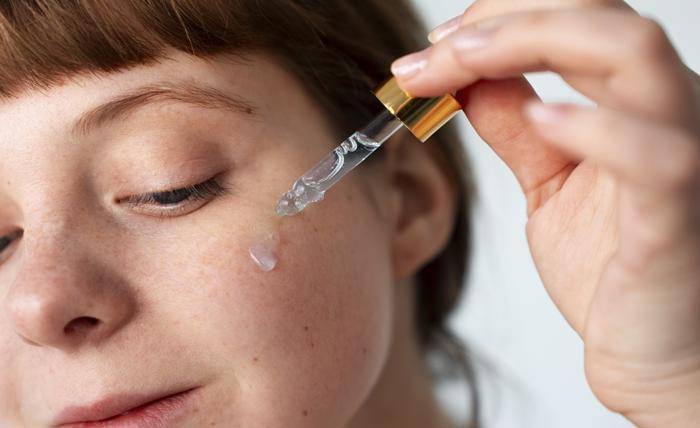
Niacinamide is widely recognised in dermatology as a versatile ingredient that supports several important functions of healthy skin. Also known as vitamin B3, niacinamide plays a role in cellular energy production and helps maintain the skin barrier. These biological functions help explain niacinamide’s growing popularity in modern skincare routines.
Unlike ingredients designed to address a single concern, niacinamide supports multiple processes within the skin. Dermatology research has linked topical niacinamide with improvements in barrier strength, smoother texture, and more balanced skin tone. Studies published in journals such as Dermatologic Surgery have shown that regular use of niacinamide can improve skin elasticity and reduce visible signs of ageing when applied consistently.
Because it is generally well tolerated across many skin types, dermatology professionals often recommend niacinamide as a foundational ingredient in daily routines that prioritise barrier health and long-term skin resilience.
Barrier Strength and Moisture Retention
The outermost layer of the skin acts as a protective barrier. It prevents excessive water loss and shields the body from environmental stressors, including pollution, irritants, and temperature changes. When this barrier becomes weakened, the skin often appears dry, irritated, or uneven.
Niacinamide supports the production of ceramides and other lipids that maintain the structure of the skin barrier. Research published in the British Journal of Dermatology indicates that increasing ceramide synthesis can improve barrier function and enhance moisture retention.
A stronger barrier allows the skin to retain hydration more effectively and reduces the likelihood of irritation from environmental exposure. For individuals experiencing dryness or sensitivity, ingredients that strengthen barrier function provide long-term support for skin health.
Niacinamide for Skin and Improvements in Uneven Tone
Uneven pigmentation can develop through sun exposure, inflammation, or post-blemish marks. Niacinamide has been studied for its ability to influence melanin transfer within the skin, which contributes to visible pigmentation.
Research referenced in the Journal of Cosmetic Dermatology shows that niacinamide can inhibit the transfer of pigment from melanocytes to surrounding skin cells. This mechanism may gradually reduce the appearance of hyperpigmentation and improve overall skin clarity.
These improvements develop over time through consistent use rather than aggressive resurfacing. This gradual approach makes niacinamide suitable for individuals seeking a more balanced complexion without increasing sensitivity.
Balanced Oil Production and Pore Appearance
Sebum plays an essential role in maintaining skin hydration, though excessive oil production can contribute to congestion and enlarged pores. A clinical study published in the International Journal of Dermatology reports that topical niacinamide can help regulate sebum production in individuals with oily skin.
Balanced oil levels reduce surface shine and help maintain clearer pores. When oil accumulation decreases, pores may appear less prominent, and the skin surface can appear smoother.
These benefits are one reason niacinamide for skin is frequently recommended in routines designed for combination or oily skin types that still require hydration and barrier support.
Support for Texture and Visible Signs of Ageing
Changes in collagen production and elasticity influence the appearance of ageing skin. Reduced collagen levels contribute to the development of fine lines and uneven texture over time.
Clinical research published in Dermatologic Surgery has shown that topical niacinamide may improve several markers associated with ageing facial skin, including fine lines and elasticity. The ingredient supports the skin’s structural components while maintaining barrier stability.
These effects develop gradually through consistent application rather than rapid exfoliation. As a result, niacinamide is commonly included in skincare routines focused on maintaining long-term skin quality.
Compatibility With Other Skincare Ingredients
Niacinamide is widely used in formulations because it works well alongside many other skincare ingredients. Some active ingredients require careful layering or limited frequency, though niacinamide generally integrates easily within different routines.
It is frequently paired with hyaluronic acid to support hydration. Retinoid treatments may also be combined with niacinamide because barrier support can improve tolerance to stronger ingredients. Vitamin C formulations are sometimes combined with niacinamide to support antioxidant protection and improve tone.
Because it strengthens the barrier and helps maintain balanced skin function, niacinamide for skin often acts as a stabilising ingredient within comprehensive skincare routines.
Consistency Determines Visible Results
Skincare ingredients that support biological skin processes tend to produce gradual improvements. Hydration and oil balance may improve within several weeks, though changes in pigmentation and texture typically require longer periods of regular use.
Guidance from the American Academy of Dermatology indicates that topical ingredients influencing pigmentation and barrier health often require several weeks of consistent application before visible improvements occur.
For this reason, routines built around niacinamide for skin focus on steady, daily use rather than rapid transformation. Over time, the ingredient supports the skin processes that improve clarity, smooth texture, and strengthen the barrier function.
Why Niacinamide Has Become a Core Skincare Ingredient
Modern skincare increasingly focuses on supporting the skin’s natural systems rather than relying solely on aggressive resurfacing treatments. Barrier stability, balanced oil production, and gradual improvements in tone and texture are central goals for many routines.
Niacinamide addresses each of these areas simultaneously. It strengthens the skin barrier, supports balanced sebum activity, contributes to improved tone, and helps maintain smoother texture. These combined effects explain why dermatology professionals frequently recommend niacinamide for skin as a reliable ingredient for maintaining healthy, resilient skin over time.