

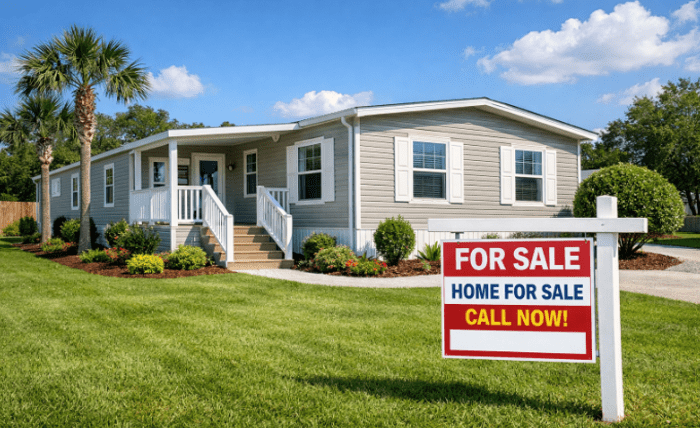
Mobile home owners who are considering selling often encounter misconceptions and outdated information that can hinder their ability to make informed decisions. Understanding the realities of selling a mobile home can help you approach the process with greater confidence and maximize your results. For those looking for specialized support with selling in Arizona, learn more here: https://www.phoenixmobilehome.com/sell-your-mobile-home-tempe/.
Ignoring widespread myths can lead to missed opportunities and unnecessary stress. By confronting common misunderstandings, sellers can set realistic expectations and use practical strategies to improve sales outcomes. Accurate knowledge not only empowers sellers but also streamlines the transaction for all parties involved.
Many established mobile home buyers, such as Phoenix Mobile Home Buyers, emphasize the importance of understanding these realities, which can help both novice and experienced sellers achieve better results in the current housing market.
Myth 1: Mobile Homes Always Depreciate in Value
A widely held belief is that mobile homes automatically lose value, much like vehicles. However, real-world data suggest otherwise. The appreciation rate for mobile homes situated on owned land has exceeded expectations, at times outperforming single-family homes in certain markets. According to a New York Times article, factors such as neighborhood, access to amenities, and condition of both the property and the surrounding area play significant roles in determining value. Homeowners who invest in upkeep, curb appeal, and upgrades are more likely to see their property appreciate or retain value.
It is important to remember that, just as with traditional homes, local market conditions can deeply impact the final selling price. If your mobile home is located in a highly desirable area, close to good schools and shopping centers, you may benefit from upward pricing trends. Additionally, energy efficiency improvements and attractive landscaping can help the property stand out, resulting in a higher selling price and increased buyer interest.
Myth 2: Mobile Homes Are Poorly Constructed
There is a lingering reputation from previous decades that mobile homes are built cheaply or are not durable. Today, these perceptions are misleading. Modern mobile homes are manufactured in climate-controlled environments in accordance with rigorous guidelines set by the U.S. Department of Housing and Urban Development (HUD). These standards ensure reliable construction quality, strong fire resistance, and structural soundness. In many cases, the quality of a mobile home can rival or even exceed that of a traditionally built house.
For more insight on mobile home construction standards, refer to this HUD resource.
Homebuyers are often surprised to learn that many mobile homes feature cutting-edge building techniques and materials. Today’s models offer superior insulation and can include eco-friendly features such as solar panels and sustainable flooring. These advancements not only ensure longevity but can help reduce utility costs and environmental footprint, making mobile homes an efficient option for the modern homeowner.
Myth 3: Selling a Mobile Home Is Inherently Difficult
Sellers often believe they face more hurdles compared to selling a conventional home. While the process does have unique steps, such as obtaining title transfers and complying with park regulations, mobile homes are not inherently difficult to sell. Success depends on pricing accurately, presenting the home attractively, and marketing to the right audience. In high-demand areas, well-maintained mobile homes can receive multiple offers quickly. Understanding your local market, pricing trends, and required paperwork makes the process manageable.
In fact, many sellers can leverage online listing platforms and social media to generate interest and attract motivated buyers. Professional mobile home buyers and real estate agents specializing in this niche can provide invaluable guidance throughout the process. Proper preparation, including making minor repairs and staging the home, can dramatically boost interest and streamline the entire sales process.
Myth 4: Mobile Homes Are Unsafe
Safety concerns are among the most common myths, largely due to outdated images of older mobile homes. The reality is that since 1976, all new mobile and manufactured homes are required to comply with HUD’s strict federal safety requirements. These standards regulate fire safety, wind resistance, and more, meaning modern mobile homes can be just as safe as site-built homes when installed and maintained properly. Installation by licensed professionals and regular inspections help maintain high safety levels. For more on this, visit Realtor.com’s mobile home buying guide.
Regular maintenance is essential to sustaining a safe environment. Sellers who can provide documentation of routine inspections, pest control, and system upgrades (such as electrical or plumbing improvements) may ease buyers’ concerns and strengthen their negotiating position. Moreover, many modern mobile home communities offer additional safety features, including gated access and 24-hour security patrols, further reassuring potential buyers.
Myth 5: Mobile Homes Lack Customization Options
A dated misconception is that mobile homes offer little design or upgrade flexibility. Today, manufacturers provide a huge variety of floor plans, exterior and interior finishes, and energy-efficient features. Homeowners can choose everything from smart appliances to luxury bathroom fixtures, which not only make living more comfortable but also boost resale value. The customization potential can make these homes highly desirable and unique.
Owners can also personalize outdoor spaces with patios, decks, gardens, or storage sheds. If you are preparing to sell, making tasteful, budget-friendly upgrades can help your property appeal to a broader range of buyers and increase the perceived value. Don’t overlook the importance of curb appeal; fresh paint, landscaping, and tidy entryways make a significant positive impression.
Myth 6: Mobile Homes Are Only for Low-Income Buyers
While mobile homes are valued for their affordability, they attract a diverse group. Retirees appreciate accessible layouts, younger professionals enjoy the opportunity to own property at a reasonable price, and investors recognize the income potential from mobile home communities. According to NPR, mobile homes remain an attractive choice for people seeking quality at every budget level, as modern communities offer substantial amenities and lifestyle benefits.
In fact, some high-end mobile home parks rival private resort communities in terms of amenities and aesthetics. Features such as swimming pools, fitness centers, recreational facilities, and community events foster a vibrant, engaging neighborhood environment. This growing acceptance and appeal have fueled increasing demand, with buyers looking beyond old stereotypes and embracing a more flexible, cost-effective lifestyle.
Conclusion
Debunking myths about selling mobile homes fosters a smoother, more profitable transaction for sellers. By recognizing the true value, construction standards, safety, and diverse appeal of mobile homes, property owners can make informed decisions and take advantage of market opportunities. With careful preparation, maintenance, and pricing strategies, selling your mobile home can be a positive and successful experience.
As the housing market continues to evolve, it is crucial for sellers to remain informed about the latest trends and buyer preferences. Seeking expert advice and investing in your mobile home’s presentation can provide a distinct advantage. Whether you are looking to sell quickly or maximize your profit, understanding and countering common myths puts you in the strongest possible position. Stay educated, flexible, and proactive, and you’ll be ready to navigate the selling process with clarity and confidence.