

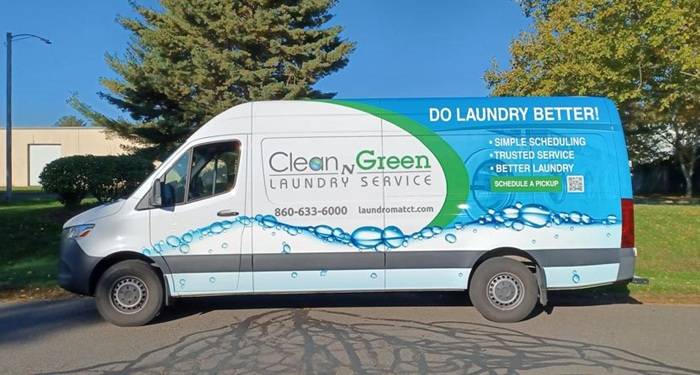
If you run a small business and you are looking for a cost-effective way to get your name out there, vehicle advertising is one of the smartest options available. But you do not have to cover your entire van or car to make an impact. More and more business owners are turning to a partial vehicle wrap as a practical middle ground between a plain vehicle and a full branded wrap.
So what exactly is a partial vehicle wrap, and is it the right choice for your business? Here is what you need to know.
What Is a Partial Vehicle Wrap?
A partial vehicle wrap covers only part of a vehicle’s surface with printed vinyl graphics. This could be the rear doors, the lower panels, the bonnet, or one side of the van. The rest of the vehicle is left in its original colour, or combined with cut vinyl lettering and decals.
The result is a clean, professional look that still gets your brand noticed on the road, without the cost of covering every inch of the vehicle.
How Much Does It Cost Compared to a Full Wrap?
A full vehicle wrap can cost anywhere from £1,500 to £3,500 or more, depending on the size of the vehicle and the complexity of the design. A partial wrap typically costs significantly less, often between £400 and £1,200, making it accessible for sole traders, startups, and small businesses that want professional branding without a large upfront spend.
That said, costs vary between providers, so it is always worth getting a few quotes and checking what is included in terms of design, print, and fitting.
What Are the Benefits?
The main appeal of partial wrapping is the balance between cost and visibility. A well-designed wrap on the rear of a van, for example, is seen by every driver sitting behind it in traffic. That is a lot of impressions for a one-time investment.
Other benefits include:
Brand consistency. Partial wraps can match your existing brand colours and fonts, so your vehicle looks like part of a wider, professional identity.
Durability. Good quality vinyl graphics are designed to last several years outdoors, resisting fading, rain, and general wear.
Reversibility. Unlike a full respray, vinyl wraps can be removed without damaging the original paintwork. This is useful if you lease your vehicle or plan to sell it later.
Flexibility. Because you are not committing to a full design, partial wraps are easier to update when your branding changes or you want to promote a new service.
Are There Any Downsides?
A partial wrap will not have the same visual impact as a full wrap. If your competitors are running fully branded fleets, a partial design may appear less prominent by comparison.
Design also matters more with partial wraps. A poorly planned design that only covers half the vehicle can look unfinished rather than intentional. Working with an experienced designer helps ensure the finished result looks deliberate and polished.
Who Is It Best For?
A partial vehicle wrap tends to suit businesses that are just starting out with vehicle branding, those with a tighter marketing budget, or those who want to brand a single vehicle rather than a whole fleet. Tradespeople, mobile service businesses, and local retailers are among the most common users.
It is also a practical option for businesses that want to test vehicle advertising before committing to a more substantial spend.
The Bottom Line
Partial vehicle wrapping offers solid value for businesses that want visible, professional branding on a budget. It will not turn heads in quite the same way as a full wrap, but done well, it is a practical and affordable way to put your brand in front of thousands of potential customers every day.
If you are considering vehicle graphics for the first time, a partial wrap is a sensible place to start.