

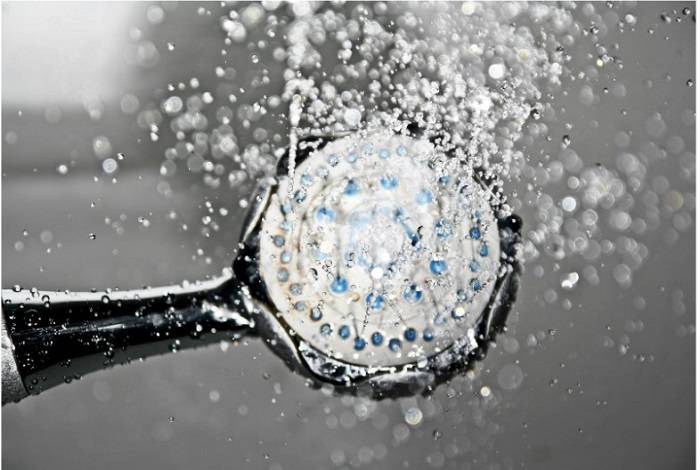
You may not give much consideration to the water flowing out of the tap until it becomes an issue. Perhaps you’ve observed that there’s been an accumulation of a chalky residue on top of the shower head or that the dishes aren’t sparkling as they used to. These signs point to the presence of a huge problem often referred to as water hardness. Hard water may not pose any threat to human health, but it can actually be considered a silent killer with regard to the fixtures within the property.
The understanding of how “mineral-rich” water affects your home infrastructure is the starting point for protecting your investment. Recognizing these signs will enable you to avoid costly repairs down the road, extending the useful life of your pricey appliances.
Water Hardness Explained
Hard water occurs when there are high amounts of minerals, particularly calcium and magnesium, in the water. These materials are ingested as the groundwater moves through soil and rocks to your tap. Water hardness is always estimated using grains per gallon (GPG) or parts per million (PPM). Water with measurements above 7 GPG or 120 PPM can be said to be hard. Even though these materials occur naturally, the real problem lies in how they work in your pipe system.
The Effects on Your Plumbing System
The biggest danger of hard water to your plumbing system is scaling. The minerals inside the water will settle from the water as it passes inside your plumbing system, sticking to the inside of the pipes. In time, this will form a hard surface material referred to as limescale.
To put this in context, think about the buildup of plaque in a pipe. As the plaque builds, it gradually reduces the size of the pipe. Eventually, the reduction in size creates less water pressure in the home. If left unchecked, some pipes may clog or even rust through, creating the need to re-pipe.
Effects of Hard Water on Appliances
Your house’s appliances are affected the same way your pipes are. Any appliance that needs water is prone to the same. Water heaters are most likely. When water is heated, minerals precipitate out, leaving a residue of sediment on the bottom of the tank. The sediment layer is an insulation layer, and the water heater will have to work extra hard, thus increasing the electricity bill.
Another appliance that will be affected is the dishwasher and the laundry machine. These mineral deposits may clog the small spray jets. Observe your clothes, which are no longer shiny. The glass wares are also not clean. There are cloudy spots on them after being washed from the dishwasher. There may be blockages in the coffee machine, which results in bitter taste of the coffee.
Determining the Characteristics of Hard Water
Early detection of hard water can also save you money. In addition to the mineral deposits in your faucet, other signs of hard water include soap residue in your bathtub or shower that cannot easily be removed. This is because hard water makes soap ineffective, as a result of which you will need to use more soap to clean. Another sign is if your skin feels dry or your hair is flat after a shower.
Hard Water Remediation
Luckily, there are ways to deal with hard water. The best and most popular method for reducing hard water is through Kinetico softener installation. Water softeners work through an ion exchange technique that substitutes sodium or potassium ions for calcium and magnesium ions, thus softening the water as it enters the plumbing system.
If you are looking for ways to soften drinking water, reverse osmosis systems are very effective at eliminating minerals and other chemicals from water. There are other conditioners that do not use salt and work through either the creation of a magnetic field or the use of crystal templates to stop minerals from sticking to surfaces.
Protect Your Property Investment
Not considering water hardness may result in a small annoyance becoming a heavy expense. If you think that water hardness is an issue with your property, you should first consider getting a water quality test. When you know the extent of water hardness, you will be able to select the water treatment technology that is best suited for you and protect your fixtures and appliances!