

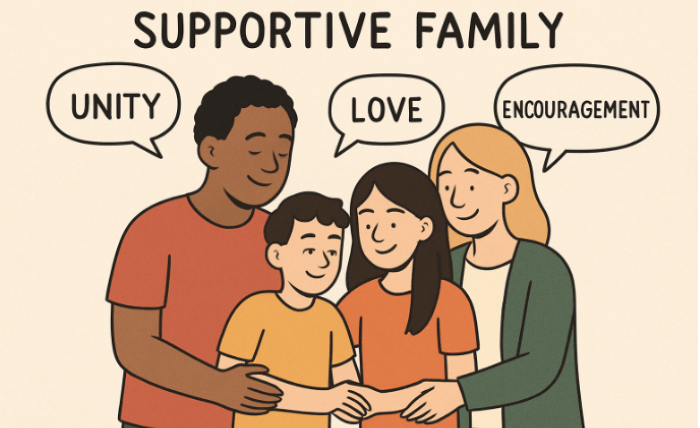
Recovery from substance use disorders is often described as a personal journey, but success rarely happens in isolation. Family, in its many forms, can offer a foundation of stability, love, and accountability—elements proven to boost recovery outcomes. Recognizing the crucial contributions of a healthy support system, families become partners in healing by offering patience, understanding, and advocacy. For more information about engaging your family in the recovery process, resources and guidance are available to help you take those essential first steps together.
The involvement of family members can strengthen motivation for long-term sobriety and help overcome the cycles of guilt or isolation that often accompany substance misuse. By working collaboratively, family support can reduce stigma and foster hope. Research highlights that those with devoted support networks are more likely to sustain recovery and to rebuild relationships damaged by addiction.
Families contribute in tangible and intangible ways, whether by creating a positive home environment, joining therapy sessions, or supporting their loved one’s practical needs. Open communication within the family not only strengthens recovery but also helps everyone adjust to new routines and expectations following treatment.
Importance of Family Support
Family support is a cornerstone of the recovery process, increasing treatment engagement, minimizing relapse risk, and driving positive long-term outcomes. Meaningful family involvement provides not only reassurance but also structured encouragement, helping individuals maintain their recovery focus. According to the National Institute on Drug Abuse, consistent family engagement in recovery leads to better treatment outcomes and reduced relapse rates, as detailed in their comprehensive guide on treatment and recovery.
Families help break down barriers such as stigma and feelings of shame by creating a safe space to share struggles and celebrate progress. This sense of belonging and acceptance fosters accountability and helps individuals stay connected to their wellness goals. Addressing challenges like enabling behaviors and caregiver burnout, usually through education, therapy, and support groups, further strengthens families’ influence in the recovery process.
Emotional and Psychological Support
Emotional support from family members is often the bedrock of recovery. Encouragement, reassurance, and active listening help individuals face tough days and setbacks with resilience. Families who educate themselves about substance use disorders can offer more meaningful reassurance and empathy, better equipping them to handle relapses or crises with calm and sensitivity. According to the World Health Organization, strengthening mental health support at both the individual and community level is essential for recovery and overall well-being. Promoting routines that support mental and physical wellness, such as regular meals, exercise, and healthy sleep, enables a smoother transition out of treatment. This structured approach helps build self-esteem and reduces anxiety for both the individual and their loved ones.
Practical Assistance
Support from families extends to everyday logistics, easing the burdens that can otherwise hamper recovery. Assisting with household chores, managing transportation to appointments, or creating a stable daily routine gives the individual more time and energy to focus on healing. Financial guidance—when managed responsibly—can also remove barriers to ongoing therapy or medication.
Family involvement in medication management, attendance at medical appointments, or support for therapy participation is invaluable. These acts foster a strong sense of partnership and create opportunities for mutual accountability, which empowers the recovering individual to make positive choices and stick to their recovery plan.
Educating the Family
Education is a transformative tool for families affected by substance misuse. Understanding addiction as a medical condition, not a personal failing, helps create a compassionate and nonjudgmental environment—key to lasting recovery. This foundational knowledge often reduces stress and resentment on both sides, making it easier to rebuild trust and set realistic expectations for the months and years ahead.
Establishing Healthy Boundaries
Boundaries are essential in fostering a recovery environment where everyone can thrive. Clear, healthy boundaries prevent codependency, resentment, and compassion fatigue. By establishing limits, families can provide support without sacrificing their own well-being or inadvertently enabling destructive behaviors. Open discussions about personal limits, emotional resources, and expectations help each member understand their role in supporting recovery while staying healthy themselves.
Implementing healthy boundaries also encourages the individual in recovery to take responsibility for their choices, empowering them to develop autonomy and confidence on their journey.
Long-Term Support and Relapse Prevention
Sustaining recovery is an ongoing process, and long-term family support makes a vital difference. In the months and years following initial treatment, family encouragement, stability, and constructive feedback help individuals stick with relapse prevention strategies and avoid triggers. Maintaining open communication—without judgment or excessive pressure—gives everyone space to grow and adapt.
Involvement in ongoing support and accountability measures, such as regular check-ins, continued therapy, and participation in structured support groups, helps reinforce motivation. These ongoing commitments ensure recovery remains achievable and celebrated for years to come.
Conclusion
Family support is an invaluable asset in substance misuse recovery, providing the emotional nourishment, practical aid, and structure necessary for overcoming one of life’s toughest challenges. By remaining informed, engaged, and compassionate, families vastly improve the odds of lasting recovery, helping loved ones rediscover their strength and rebuild lives filled with hope, trust, and renewed purpose.