

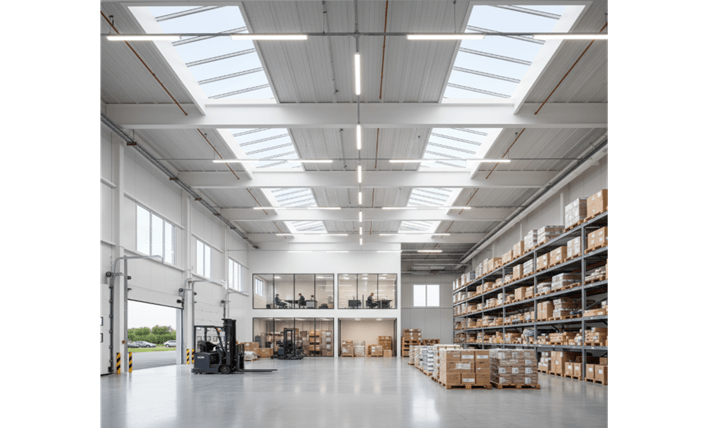
In today’s fast-paced commercial world, a well-designed and highly functional warehouse is far more than just a storage facility; it’s a strategic asset. Businesses across various sectors are continually seeking ways to optimise their operations, enhance efficiency, and improve workplace safety. This pursuit often leads them to consider comprehensive warehouse fit outs, a transformative process that can revitalise an existing space or establish a new one from the ground up.
A successful fit out can drastically improve workflow, increase storage capacity, and create a safer, more productive environment for staff. It’s about more than just installing new equipment; it involves a holistic approach to understanding operational needs and designing a space that perfectly aligns with a business’s goals. This guide will walk you through every aspect of planning, executing, and benefiting from a modern warehouse fit out, ensuring you’re equipped with the knowledge to make informed decisions.
Understanding the fundamentals of warehouse fit outs
A warehouse fit out essentially refers to the process of making an internal space suitable for its intended purpose. This can range from a complete overhaul, including structural modifications, to a more focused upgrade of internal systems like racking, shelving, and material handling equipment. The goal is always to create a space that is not only efficient but also compliant with all relevant safety and building standards.
Businesses invest in these projects for a myriad of reasons. They might be expanding operations, needing to accommodate new product lines, or simply looking to modernise an outdated facility. Whatever the impetus, a strategic fit out can lead to significant long-term savings, improved productivity, and a stronger competitive edge in the market. It’s about turning a building into a dynamic, productive asset.
The evolution of warehouse design
Warehouse design has come a long way from simple storage sheds. Modern facilities are now sophisticated logistical hubs, integrating advanced technology and smart solutions to manage complex supply chains. This evolution reflects a broader understanding that a warehouse is an integral part of a business’s operational success, directly impacting customer satisfaction and profitability.
- From storage to strategic hubs: Warehouses are no longer passive holding areas but active centres for distribution, order fulfilment, and even light manufacturing. Their design must facilitate rapid movement and processing of goods.
- Impact of technology and automation: The rise of automation, robotics, and sophisticated warehouse management systems (WMS) has revolutionised how spaces are designed. Fit outs now often include provisions for automated guided vehicles (AGVs) and other smart technologies.
Key elements of a successful warehouse fit out project
A comprehensive warehouse fit out involves several critical components, each playing a vital role in the overall functionality and success of the space. From how goods are stored to how they move through the facility, every detail needs careful consideration. Getting these elements right is paramount to achieving an efficient and safe working environment.
One of the first considerations is the storage solution itself. The type of products, their size, weight, and turnover rate will dictate the most appropriate racking and shelving systems. Equally important is the layout, which must facilitate smooth workflow and efficient material handling. Finally, safety and compliance are non-negotiable, ensuring the workspace meets all regulatory requirements and protects staff.
Selecting the right storage systems
Choosing the correct storage system is fundamental to maximising space and efficiency. There are numerous options available, each suited to different operational needs and product types. A well-chosen system can dramatically increase storage density and improve access to inventory, streamlining operations considerably.
- Pallet racking options: From selective to drive-in, push-back, and cantilever racking, the choice depends on your inventory turnover, space constraints, and access requirements. Each system offers unique benefits for different operational models.
- Shelving and small parts storage: For smaller items or pick-and-pack operations, robust shelving units, parts bins, and drawer systems are essential. These solutions help organise inventory, reduce picking errors, and improve overall order fulfilment speed.
- Vertical storage solutions: To make the most of vertical space, options like mezzanines, vertical carousels, and automated storage and retrieval systems (AS/RS) can be incredibly effective. These allow businesses to expand upwards without needing to increase their footprint.
Planning and design: the crucial first steps
The success of any warehouse fit out hinges on meticulous planning and thoughtful design. This initial phase involves a deep dive into your business operations, understanding your current challenges, and envisioning your future needs. Skipping or rushing this stage can lead to costly mistakes and a facility that doesn’t truly serve its purpose.
It begins with a thorough needs assessment, where you define your goals, budget, and timeline. Space planning then translates these requirements into a functional layout, considering everything from product flow to staff movement. Engaging with experts during this stage is invaluable, as they can provide insights and solutions you might not have considered, ensuring your investment yields the best possible returns.
Engaging with experts like Palletwest
When embarking on a significant project like a warehouse fit out, partnering with experienced specialists is not just beneficial, it’s often essential. These professionals bring a wealth of knowledge and practical experience, guiding you through the complexities of design, compliance, and installation. They can help translate your vision into a practical, compliant, and highly efficient reality.
- Benefits of professional consultation: Experts like Palletwest can offer tailored advice on everything from optimal racking configurations to ergonomic workstation design. Their holistic view ensures all aspects of your operation are considered, leading to a more integrated solution.
- Customised solutions for unique requirements: Every business is unique, and a one-size-fits-all approach rarely works. A specialist can design a bespoke fit out that addresses your specific challenges, whether it’s managing hazardous materials, optimising cold storage, or integrating advanced automation.
Navigating compliance and safety standards
Ensuring your warehouse fit out complies with all relevant regulations is not just a legal requirement; it’s a moral imperative. Non-compliance can lead to hefty fines, operational shutdowns, and, most importantly, serious risks to employee safety. It’s crucial to understand the various standards that apply to warehouse environments and integrate these requirements into every stage of your fit out project. This proactive approach not only safeguards your business against legal repercussions but also fosters a secure and productive environment for your workforce.
Understanding and addressing various regulatory frameworks is critical:
- Occupational Health and Safety (OHS) Standards: These ensure safe access, clear pathways, adequate lighting, ventilation, and ergonomic workstations. Thorough hazard identification and risk assessments are crucial to mitigate risks like slips, trips, falls, and injuries from manual handling.
- Building Codes and Structural Integrity: Adherence to local building codes is essential for the structural soundness of the facility, load-bearing capacities of racking, fire resistance of materials, and accessibility.
- Fire Safety Regulations: A robust plan includes strategic fire suppression systems, alarms, emergency lighting, marked escape routes, and specific guidelines for flammable/hazardous materials storage.
- Specific Industry Regulations: Depending on your sector, additional rules may apply – e.g., precise temperature control for food/pharmaceuticals, specialised ventilation for chemicals, or specific containment measures.
To ensure full compliance, partner with experienced warehouse fit out specialists and safety consultants from the outset. Implement comprehensive risk assessments, develop clear safety procedures with thorough staff training, and schedule regular audits for ongoing adherence.
Integrating Technology for Enhanced Efficiency
Modern warehouses leverage cutting-edge technology to drive efficiency, accuracy, and operational safety. Integrating these solutions into your fit out dramatically improves workflows and future-proofs your operations.
Central to this is a robust Warehouse Management System (WMS). A WMS orchestrates inbound receiving, put-away, order picking, packing, and shipping. It provides real-time visibility into stock, streamlines fulfillment, and optimizes space, reducing errors and boosting throughput.
Automation and robotics further transform warehousing. AGVs and AMRs transport goods and handle repetitive tasks, freeing human workers. Robotic picking arms, conveyor systems, and AS/RS accelerate material flow, minimize manual handling risks, and increase operational speed.
Internet of Things (IoT) sensors enhance intelligence by monitoring environmental conditions, tracking equipment for predictive maintenance, and providing real-time asset location. This data feeds into the WMS and analytical tools, offering actionable insights for continuous improvement.
Finally, Data Analytics and Artificial Intelligence (AI) enable proactive optimization. AI systems analyze datasets to identify bottlenecks, forecast demand, optimize picking routes, and suggest optimal layouts. This data-driven approach ensures efficient resource utilization, rapid adaptation, and maximized profitability.
The Path to a Future-Ready Warehouse
Embarking on a warehouse fit out is a significant strategic investment. It’s an opportunity to fundamentally redesign your operational core, integrating best practices in safety, efficiency, and technological innovation. By carefully planning your layout, selecting the right storage solutions, ensuring strict regulatory compliance, and embracing cutting-edge technology, businesses can create a high-performing, adaptable, and future-proof facility that drives long-term success and competitive advantage.