

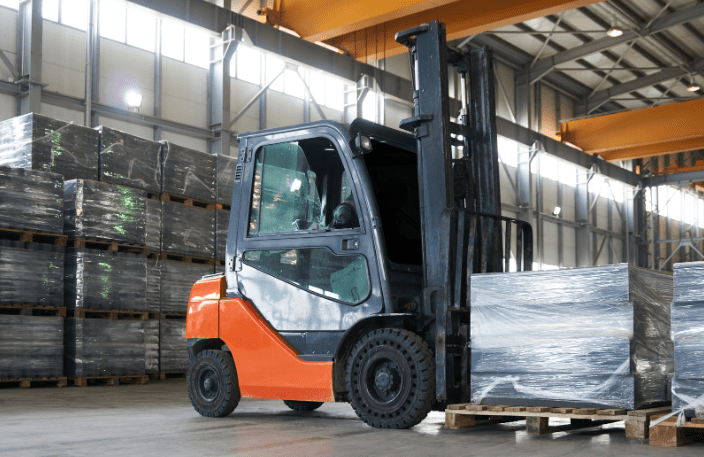
Warehousing has long been a cornerstone of commerce, acting as the critical link between manufacturers, suppliers, and consumers. While the concept of storing goods is centuries old, modern warehousing has transformed dramatically, becoming a highly sophisticated component of supply chain management. From small storage facilities to massive automated distribution centers, warehousing plays a pivotal role in ensuring that products are available when and where they are needed.
Understanding Warehousing
At its core, warehousing refers to the storage of goods in a systematic way for future use or distribution. It is not merely about putting products on shelves; it involves strategic planning, organization, and management of inventory to maximize efficiency and minimize costs. Warehouses can store raw materials, finished products, or even semi-finished goods, serving manufacturers, wholesalers, and retailers alike.
Warehousing serves multiple purposes. Firstly, it acts as a buffer between production and demand, ensuring that businesses can continue operations without interruption, even during fluctuations in supply or demand. Secondly, it enables economies of scale by allowing companies to purchase and store goods in bulk, reducing the cost per unit. Thirdly, warehouses facilitate the consolidation of products from different sources, which simplifies distribution and reduces transportation costs. For efficient handling of heavy goods, forklift hire is often the best solution, allowing warehouses to move materials safely and quickly without large capital investment.
Types of Warehousing
Warehouses are no longer one-size-fits-all structures. Today, they are specialized based on the type of goods stored, the duration of storage, and the services offered.
- Private Warehouses: Owned and operated by companies for their own storage needs, private warehouses offer complete control over inventory management. They are ideal for large businesses that need consistent storage capacity and have predictable demand.
- Public Warehouses: These facilities are available for use by multiple companies, often on a rental basis. They are particularly beneficial for smaller businesses that do not require a dedicated storage facility but need flexibility.
- Bonded Warehouses: These are regulated storage facilities where imported goods can be stored without paying customs duties until they are ready for sale or distribution. Bonded warehouses are essential in international trade, offering cost savings and legal compliance for importers.
- Distribution Centers: Unlike traditional warehouses, distribution centers focus on the rapid movement of goods rather than long-term storage. They are strategically located to facilitate quick delivery to customers, often incorporating advanced logistics technology to manage inventory efficiently.
Key Functions of Modern Warehousing
Modern warehouses perform a wide range of functions beyond mere storage.
- Inventory Management: Warehouses track product quantities, locations, and movements. Effective inventory management reduces the risk of overstocking or stockouts, which can lead to lost sales or wasted resources. Technologies such as barcoding, radio-frequency identification (RFID), and warehouse management systems (WMS) have revolutionized this function, enabling real-time tracking and accuracy.
- Order Fulfillment:Warehouses play a crucial role in picking, packing, and shipping products. This is especially critical in e-commerce, where rapid and accurate order fulfillment directly impacts customer satisfaction. Partnering with experienced logistics providers such as https://www.shipwithmina.com/ can further enhance warehouse coordination and ensure smooth, timely deliveries.
- Cross-Docking: Some warehouses use cross-docking techniques to minimize storage time. Products arriving at the warehouse are immediately sorted and dispatched to their destinations, reducing handling costs and improving delivery speed.
- Value-Added Services: Modern warehouses often provide services such as product assembly, labeling, quality inspections, and packaging customization. These services allow companies to streamline operations and meet specific customer requirements without investing in additional facilities.
Technological Advancements in Warehousing
The warehousing industry has undergone a significant transformation due to technology. Automation, robotics, and artificial intelligence have introduced unprecedented efficiency and accuracy. Automated storage and retrieval systems (AS/RS) can store and retrieve goods with minimal human intervention, reducing errors and labor costs. Warehouse management systems optimize space utilization, track inventory in real-time, and generate data-driven insights to improve operational decisions.
Additionally, the Internet of Things (IoT) enables connected warehouses where sensors monitor temperature, humidity, and product conditions, ensuring sensitive goods like pharmaceuticals or food items are stored safely. Drones and autonomous vehicles are increasingly used for inventory checks and internal transport, speeding up operations while reducing human labor requirements.
Challenges in Warehousing
Despite its advantages, warehousing comes with challenges that businesses must navigate. Rising labor costs, especially in regions with stringent employment regulations, can make warehousing expensive. Additionally, managing large inventories requires careful planning to prevent obsolescence, particularly for products with a short shelf life.
The rise of e-commerce has also created new demands, requiring warehouses to handle high volumes of small, frequent orders instead of traditional bulk shipments. This shift necessitates advanced order-picking systems, flexible layouts, and sophisticated logistics planning.
Environmental sustainability is another growing concern. Warehouses consume significant energy for lighting, heating, cooling, and machinery. Businesses are increasingly adopting green practices, such as solar panels, energy-efficient lighting, and sustainable packaging, to reduce their carbon footprint while maintaining operational efficiency.
The Strategic Importance of Warehousing
Warehousing is no longer a passive part of the supply chain; it is a strategic asset. Efficient warehousing can reduce transportation costs, improve customer satisfaction, and enhance overall supply chain resilience. Companies that invest in advanced warehouse technology and data analytics gain a competitive edge, allowing them to respond quickly to market changes and customer demands.
Moreover, warehousing plays a critical role in global trade. As supply chains become increasingly complex, with goods moving across continents, warehouses act as nodes that ensure smooth operations. Strategic placement of warehouses near ports, industrial hubs, or urban centers can significantly reduce delivery times and operational costs.
Conclusion
Warehousing has evolved from simple storage rooms to sophisticated hubs of logistics, technology, and value-added services. It remains an essential component of supply chains, enabling businesses to meet customer expectations, manage inventory efficiently, and respond swiftly to market dynamics. As technology continues to advance and consumer demands evolve, warehousing will remain at the forefront of modern commerce, proving that storage is far more than just space—it is a strategic driver of business success.