

In 2025, global e-commerce sales surpassed $6 trillion, with nearly 60% of online shoppers expecting delivery within three days or less. As consumer expectations for faster and cheaper delivery continue to rise, businesses face increasing pressure to optimize logistics and reduce operational costs. One of the most effective strategies for achieving this balance is the use of global fulfilment centres (GFCs). These centres serve as strategically located hubs that store, process, and ship products worldwide, and their impact on delivery efficiency and cost reduction is substantial.
Understanding Global Fulfilment Centres
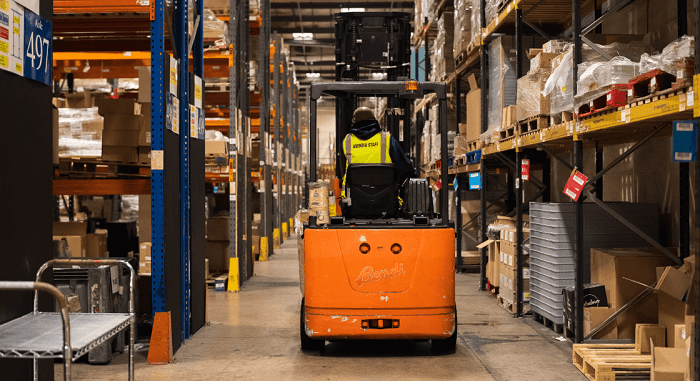
Global fulfilment centres are large-scale warehouses that manage inventory, packing, and shipping operations for multiple markets across different countries. Unlike traditional warehouses, which might serve only a local or national audience, GFCs are designed to handle international orders efficiently. Leading companies have integrated sophisticated technology, predictive analytics, and advanced logistics to meet the growing expectations of online shoppers.
The key advantage of GFCs lies in their ability to decentralize inventory. By positioning products closer to end consumers, businesses can significantly reduce transit times, shipping costs, and the risk of delayed deliveries. This not only enhances customer satisfaction but also improves operational efficiency.
Strategic Location for Cost Efficiency
The placement of a fulfilment centre is critical to its ability to reduce delivery costs. Companies typically choose locations based on proximity to major transportation hubs, population centers, and markets with high demand. For example, a fulfilment centre in Rotterdam provides easy access to major European markets via sea, road, and rail transport, while a centre in Dallas serves as a critical node for shipping across the United States.
By having multiple strategically located centres, companies can adopt a hub-and-spoke model where products are stored near key customer bases. This reduces the need for long-distance shipping, which is often more expensive due to fuel, labor, and transportation fees. Additionally, shorter shipping routes decrease the likelihood of damage or loss during transit, further reducing indirect costs. Many of the best fulfilment companies in the UK leverage this strategy to serve both local and international customers efficiently, combining regional hubs with centralized global operations.
Inventory Management and Technology Integration
A major contributor to cost reduction is how GFCs manage inventory. Modern fulfilment centres rely heavily on warehouse management systems (WMS) and automated technologies such as robotic picking, conveyor systems, and AI-driven demand forecasting. These technologies allow businesses to maintain optimal stock levels, reducing overstocking and understocking issues that can drive up operational costs.
Predictive analytics can forecast demand trends based on historical data, seasonality, and market behavior. This ensures products are pre-positioned in the right centres before high-demand periods, minimizing last-minute rush shipments that are typically more expensive. Automated picking and packing systems also reduce labor costs and speed up the fulfilment process, allowing more orders to be processed with fewer human resources.
Economies of Scale and Bulk Shipping
Another critical way GFCs reduce costs is through economies of scale. By consolidating orders from multiple sellers or product lines within a single fulfilment centre, companies can leverage bulk shipping rates from carriers. This is especially advantageous for international shipping, where consolidating shipments can dramatically reduce per-unit shipping costs.
For example, a fulfilment centre in Singapore might aggregate orders for Southeast Asia and send them to regional distribution hubs via containerized freight rather than individual courier shipments. The cost savings from bulk logistics are substantial, often translating to lower shipping fees for the end customer or higher profit margins for the business.
Minimizing Cross-Border Costs
International shipping is notoriously expensive due to customs, taxes, and duties. Global fulfilment centres help mitigate these costs by strategically storing products in regions with favorable trade agreements or lower import tariffs. This allows companies to ship items locally rather than internationally, effectively bypassing some cross-border fees.
For instance, a European fulfilment centre that stocks products destined for EU countries can leverage the European Union’s single market to move goods across borders without additional customs charges. Similarly, companies can utilize fulfilment centres in free-trade zones to take advantage of tax incentives and streamlined customs procedures.
Enhancing Customer Experience While Reducing Costs
While the primary focus of GFCs is operational efficiency and cost reduction, they also play a significant role in improving customer experience. Faster delivery times, fewer shipping errors, and better order tracking all contribute to higher customer satisfaction. Satisfied customers are more likely to make repeat purchases and recommend the service, which indirectly reduces marketing costs and customer acquisition expenses.
Moreover, fulfilment centres allow for flexible shipping options, such as same-day or next-day delivery, without the prohibitive costs traditionally associated with expedited shipping. By optimizing inventory distribution and using technology to predict demand, companies can offer premium delivery services at a fraction of the cost.
Challenges and Considerations
Despite their advantages, managing global fulfilment centres is not without challenges. High initial setup costs, complex regulatory compliance, and the need for advanced technological infrastructure can be barriers for smaller businesses. Furthermore, global supply chain disruptions—such as natural disasters, geopolitical tensions, or pandemics—can affect operations and cost efficiency.
Companies must also carefully balance inventory distribution to avoid over-concentration in certain regions, which could lead to stockouts elsewhere. Effective forecasting, demand analysis, and collaboration with logistics partners are essential to mitigating these risks.
The Future of Global Fulfilment Centres
The role of GFCs is expected to expand as e-commerce continues to grow. Emerging technologies such as autonomous vehicles, drones, and AI-driven supply chain optimization will further enhance their ability to reduce delivery costs. Additionally, sustainability initiatives, such as eco-friendly packaging and energy-efficient warehouses, are becoming integral to fulfilment strategies, allowing companies to cut costs while meeting environmental goals.
The trend towards hyper-local fulfilment—using smaller, strategically placed micro-warehouses in urban areas—is also gaining traction. This model complements global fulfilment centres by enabling ultra-fast delivery to dense population centers while maintaining overall cost efficiency.
Global fulfilment centres have become a cornerstone of modern e-commerce logistics, offering businesses a powerful tool to reduce delivery costs while enhancing customer satisfaction. Through strategic location, advanced inventory management, economies of scale, and cross-border optimization, these centres streamline operations and mitigate many of the costs associated with international shipping.
As technology continues to evolve and consumer expectations rise, the importance of global fulfilment centres will only grow. Companies that invest in intelligent, strategically placed GFCs will be well-positioned to offer fast, reliable, and cost-effective delivery solutions—turning logistics efficiency into a competitive advantage in the global marketplace.