

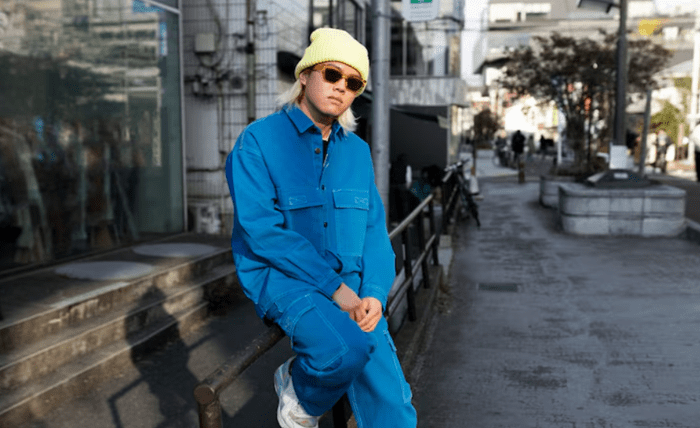
Workwear for men is experiencing its most transformative era yet. As office expectations, hybrid work models, and personal comfort redefine professional style, men’s work wardrobes are evolving to prioritize ease without sacrificing polish. As we approach 2026, modern workplace attire is all about striking the perfect balance between comfort, sustainability, and style. This shift is visible everywhere: offices are adopting flexible dress codes, employees are seeking out versatile clothing, and brands are innovating to strike a balance between appearance and practicality. For those seeking contemporary essentials, the range of work uniform for men highlights how current trends have reinvented classic work staples to meet today’s demands.
The evolving professional landscape means that what you wear significantly impacts how you feel, work, and present yourself daily. Whether you’re collaborating in person, dialing in from home, or moving between sites, the right attire should provide confidence and unrestricted mobility. Today’s workwear leaders understand men want more than just formality or utility—they want garments that follow them through multitasking days and diverse environments, combining the best of tradition and innovation.
Embracing Comfort: Looser Silhouettes and Ergonomic Designs
The dominance of stiff suit jackets and restrictive pants is fading. Instead, men’s workwear is embracing relaxed tailoring, swapping out slim, rigid styles for wider legs, roomier blazers, and extra-flex fabrics. Brands are responding by introducing innovative materials, such as wool blends and cotton twill, in patterns that allow for fluid movement. Relaxed silhouettes aren’t just about comfort—when designed well, these looser pieces help maintain a sharp, put-together office presence, all while making it easier to transition between meetings, commutes, and after-work gatherings.
Sustainable Materials: A Green Revolution in Workwear
For men seeking to align their professional wardrobe with environmental values, sustainability is more than a buzzword—it’s now a standard. Designers and mainstream retailers are moving towards recycled yarns, organic cottons, and biodegradable synthetics. Emerging materials, such as recycled GORE-TEX and plant-based Piñatex, are introducing durability and style, with the added benefit of reducing environmental impact. Ethical sourcing and transparent manufacturing processes further solidify the sustainability movement in workwear, giving both brands and consumers concrete ways to make greener choices for 2025 and beyond.
This growing focus on environmental responsibility aligns with wider industry trends and consumer priorities. Leading companies are now incorporating sustainability into their marketing, packaging, and even repair and recycling initiatives for work garments.
Revival of Classic Workwear: Modern Twists on Traditional Pieces
Modern workwear in 2025 celebrates its heritage while pushing the boundaries of innovation. Think: the classic French “Bleu de Travail”—once a marker of blue-collar pride, now a staple for tech entrepreneurs, creative professionals, and hospitality leaders. These pieces are reworked in high-end fabrics, featuring subtle tailoring tweaks and elevated finishes, which bring nostalgic charm to today’s high-functioning workplaces. This phenomenon, often referred to as “sartorial gentrification,” highlights the modern desire for authenticity in appearance, even when the context and use are worlds apart from the originals. The paradox is real: the outfits that once marked real handiwork are now go-tos for a digital-first generation, as explored in Le Monde’s analysis of workwear trends.
Performance-Driven Features: Functionality Meets Style
Functionality takes center stage with performance-driven fabrics and features now expected across the workwear spectrum. Moisture-wicking shirts, stretch-infused chinos, and breathable mesh panels are making their way into blazers and dress shirts. These enhancements enable men to look sharp while remaining exceptionally comfortable for extended periods. Whether facing a busy day of presentations or alternating between remote and on-site work, garments with added stretch and ergonomic hems ensure physical freedom. Business-travel-ready attire and adaptable layering also rank high, mirroring evolving workplace needs in a post-pandemic world.
Smart Casual: Blending Professionalism with Ease
Smart casual is no longer a fallback; it has become a core element of contemporary office dress codes. This look expertly merges office-ready basics (like chinos and tailored jackets) with more comfortable or expressive items (lightweight knitwear, upscale tees, designer sneakers). The result is a seamless style that bridges traditional professionalism with an individual’s need for self-expression, making it easier to adapt to varying workplace vibes without sacrificing a polished impression.
Accessorizing: Personal Expression in the Workplace
As workwear rules continue to relax, accessories have evolved from obligatory items into opportunities for creativity and self-branding. From minimalist leather belts to heritage watches and functional backpacks, these details enable professionals to add meaningful personalization to their everyday attire while still adhering to modern office norms. Sleek, well-chosen accessories help define personal style in ways that feel current, subtle, and perfectly in step with today’s work environments.
Conclusion
In 2025, men’s workwear has become a convergence of comfort, sustainability, tradition, and personal expression. With an emphasis on relaxed silhouettes, green materials, and tech-inspired features, today’s professional wardrobe champions both function and fashion. As classic staples are reinvented and smart casual trends gain authority, the pathway opens for every man to express confidence and purpose through his daily apparel choices—no matter where or how he works.