

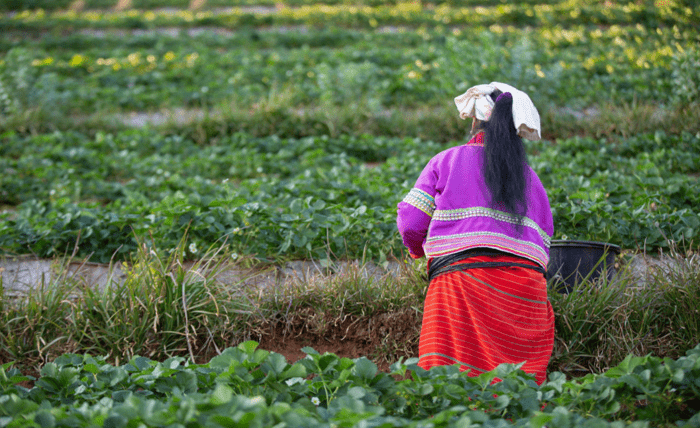
Rajasthan, a state known for its vast deserts and arid terrain, has long faced the challenge of water scarcity. Yet in recent years, farmers and policymakers have turned this challenge into an opportunity—adopting innovative, water-efficient practices that are transforming agricultural productivity and rural livelihoods. These methods are helping Rajasthan’s farmers grow more with less water, bolster food security, and increase resilience in the face of climate variability.
For a comprehensive view of the agriculture sector’s role in the state’s economy, refer to Agriculture in Rajasthan, which highlights how farming remains a crucial pillar of growth and rural development in the region.
1. Micro-Irrigation: Precision Water Use on Farms
One of the most impactful strategies in Rajasthan has been the extensive adoption of micro-irrigation systems, including drip irrigation and sprinkler technology. These systems deliver water directly to plant roots or distribute it evenly across fields, reducing wastage and evaporation—a key advantage in hot, dry climates.
Benefits of micro-irrigation include:
- Reduction in overall water use by up to 30–70% compared to traditional flood irrigation
- Increased crop yields due to consistent moisture availability
- Lower input costs and improved fertiliser efficiency
By enabling farmers to manage water resources judiciously, these technologies have become indispensable in transforming arid lands into productive agricultural fields.
2. Crop Diversification and Drought-Tolerant Varieties
Rajasthan’s agricultural strategy increasingly prioritises crop diversification—shifting from water-intensive crops like sugarcane to more sustainable alternatives such as millets, pulses, and oilseeds. Alongside this shift, the introduction of drought-tolerant seed varieties has empowered farmers to maintain yields even under limited water availability.
Crops suited to Rajasthan’s climate not only conserve water but also open up market opportunities due to growing demand for nutrient-rich millets and pulses in domestic and international markets.
3. Rainwater Harvesting and Groundwater Recharge Structures
Harnessing rainwater is another critical element in boosting agricultural productivity with limited water resources. Across rural Rajasthan, traditional and modern rainwater harvesting systems—such as check dams, percolation tanks, and farm ponds—are being constructed to capture monsoon rainfall and replenish groundwater aquifers.
These structures:
- Reduce surface runoff
- Increase soil moisture retention
- Support dry-season irrigation
By storing precious rainwater, farmers can extend cultivation periods and reduce dependence on erratic monsoons.
4. Soil Moisture Management and Mulching Techniques
In an arid environment, conserving soil moisture is essential. Rajasthan’s farmers are increasingly adopting practices like mulching, cover cropping, and conservation tillage to minimise evaporation and improve soil health.
Benefits of soil moisture conservation techniques:
- Prolonged moisture retention during dry spells
- Reduced irrigation frequency
- Enhanced organic matter in soils
These practices not only support water efficiency but also improve long-term soil fertility and crop performance.
5. Use of Weather and Soil Sensor Technologies
Advanced technologies such as soil moisture sensors, automated weather stations, and mobile advisory services are helping farmers make data-driven decisions about irrigation scheduling and crop care. By knowing exactly when and how much to irrigate, farmers avoid unnecessary water use and optimise plant growth.
These digital tools are especially valuable in arid regions, where water is unpredictable, and conservation is critical.
6. Government Support and Subsidy Programmes
To encourage adoption of water-efficient technologies, the Rajasthan government and central agencies offer a range of incentives and subsidies, including:
- Financial support for micro-irrigation installations
- Subsidies for constructing water harvesting structures
- Technical training and extension services for farmers
These initiatives reduce upfront costs for farmers and accelerate the adoption of sustainable practices.
7. Community-Led Water Management Initiatives
Beyond individual farm practices, community initiatives such as watershed development programmes and farmer water user associations are strengthening collective management of water resources. By pooling effort and knowledge, rural communities can maintain water infrastructure, plan crop cycles regionally, and share best practices—magnifying the impact of water-efficient strategies.
Conclusion: Water Efficiency as a Pathway to Prosperity
In a landscape where water scarcity has historically limited agricultural potential, Rajasthan is charting a new course—where innovation, community effort, and policy support intersect to create water-efficient, resilient farming systems. Through micro-irrigation, crop diversification, rainwater harvesting, technology adoption, and strong institutional backing, the state’s agricultural productivity has improved significantly, offering a model for other arid and semi-arid regions.
As Rajasthan continues to refine and scale these practices, the benefits will flow not only into higher yields and farmer incomes but also into sustainable use of natural resources—a win-win for rural prosperity and environmental stewardship.