

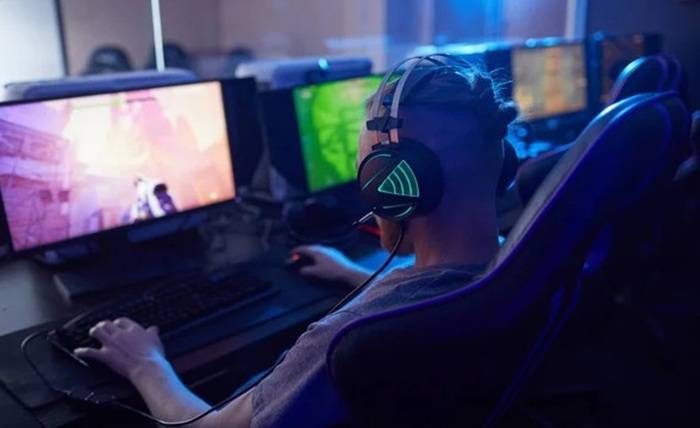
Have you ever kept playing a game because you were not sure what would happen next?
That feeling is not an accident. Games use uncertainty to hold attention, build tension, and make each choice feel meaningful.
Why Uncertainty Makes Games Fun
Uncertainty gives games their spark. Without it, play can feel flat. When players already know the result, there is little reason to stay curious.
The Pull Of The Unknown
A game becomes more exciting when the next move, card, roll, or result is unclear. The player starts to think, “What should I do now?” That small question creates interest.
This is true in many types of games. A board game may depend on dice. A puzzle may hide the next step. A sports match may turn on one mistake. The unknown keeps the mind active.
Choice Feels More Meaningful
Uncertainty also makes decisions feel important. A player may not know if a risky move will work. That risk makes the choice feel personal.
When the result finally happens, the player feels a clear reaction. It may be relief, surprise, joy, or mild frustration. All of these feelings help make the moment memorable.
The Role Of Risk And Reward
Risk and reward sit at the center of many games. The player must decide how much they want to risk for a better result.
Small Risks Create Tension
A small risk can make a simple game feel more alive. The player may choose between a safe path and a harder path with a better prize.
This balance is important. If the risk is too low, the game may feel dull. If the risk is too high, it may feel unfair. Good game design keeps risk clear and manageable.
Rewards Feel Better After Doubt
Rewards often feel stronger when the player was unsure they would get them. Winning after a close round feels better than winning with no effort.
The same idea applies outside games too. People enjoy solving problems because the answer was not obvious at first. Games package that feeling into short, repeatable moments.
How Chance Shapes Player Emotion
Chance is one of the easiest ways to create uncertainty. It can be simple, but it must be used with care.
Random Results Keep Things Fresh
Random results can make each session feel different. A shuffled deck, a random map, or an unexpected item can change how the player acts.
This helps games avoid feeling too predictable. Even when the rules stay the same, the situation can change. That gives players a reason to return.
Chance Needs Fair Limits
Chance works best when players still feel they have some control. If everything depends on luck, effort may feel less useful.
A fair game often mixes chance with skill. The player may not control every result, but they can still make smart choices. This balance helps uncertainty feel fun instead of confusing.
Why Skill Matters Alongside Uncertainty
Skill gives players a way to respond to the unknown. It turns uncertainty into a challenge rather than a random event.
Players Learn Patterns
Even in uncertain games, players learn over time. They notice patterns, test ideas, and improve their timing.
This learning process is satisfying. The player may lose at first, but later they understand more. Progress makes the game feel fair and rewarding.
Better Choices Build Confidence
As players improve, they feel more confident. They may still face surprises, but they know how to react.
That is why many games stay fun for a long time. The outcome is never fully known, yet the player feels better prepared with practice.
Uncertainty In Different Types Of Games
Uncertainty appears in many forms. It is not only about luck. It can come from other players, hidden details, timing, or changing goals.
Social Uncertainty
Games with other people often feel lively because people are hard to predict. Another player may bluff, change plans, or make a bold move.
This creates social tension. Players must read behavior, guess intent, and adjust quickly. That human element adds depth.
Hidden Information
Many games hide some information from the player. A card may be face down. A map may be partly covered. An opponent’s plan may be unclear.
Hidden information makes the mind work. The player fills gaps with guesses and logic. This makes even a simple rule set feel richer.
In some online spaces, phrases such as slot depo may appear around games of chance. It is useful to understand that such terms often relate to risk-based play, where uncertainty is a key part of the experience.
The Calm Side Of Losing
Losing is part of games, but it does not have to feel negative. In many cases, losing helps players learn.
Loss Gives Feedback
A loss can show what did not work. Maybe the player acted too fast. Maybe they ignored a clue. Maybe they took a risk at the wrong time.
When a game gives clear feedback, losing feels useful. The player can try again with a better plan.
Fair Rules Make Loss Easier To Accept
Players accept uncertainty more easily when the rules are clear. They may not like losing, but they can respect the result.
Clear rules help build trust. The player understands what happened and why. That keeps the experience healthy and enjoyable.
Why The Brain Enjoys Surprise
Surprise gives games energy. A sudden turn can make a quiet moment feel important.
Surprise Breaks Routine
If every result followed the same pattern, games would become stale. Surprise breaks that pattern.
A new challenge, rare result, or unexpected comeback can make the player pay closer attention. It adds life to the experience.
Anticipation Keeps Attention
Often, the most exciting part is not the result itself. It is the moment before the result.
The dice are still rolling. The final move is being made. The last card is about to be shown. That short pause creates anticipation, and anticipation is a big part of fun.
Conclusion
Games turn uncertainty into entertainment by mixing risk, choice, chance, skill, and surprise. The player does not know exactly what will happen, but they know their actions matter.
That balance is what makes games feel alive. The unknown creates tension. Skill creates confidence. Clear rules create trust. Together, they turn simple play into moments people remember.