

Heat pumps have emerged as a modern solution for both heating and cooling homes, enabling homeowners to maintain optimal comfort year-round. This efficient technology is gaining traction across Canada and around the world, offering several advantages over traditional HVAC systems. For homeowners seeking ways to make their living spaces more sustainable and cost-effective, exploring energy-smart heat pump installs in Ottawa can be a strategic first step toward both comfort and savings.
Unlike conventional furnaces or air conditioners, heat pumps are designed to provide year-round climate control by moving heat rather than generating it. This innovative approach allows substantial reductions in energy use while enhancing indoor comfort and reducing environmental impact. Investing in a heat pump system can not only lower your utility bills over time but also increase your home’s value and sustainability profile.
As technology has advanced, heat pumps have become more adaptable, performing efficiently across a wider range of temperatures and climates. This adaptability, along with the ability to integrate with modern smart home systems, makes them an attractive solution for homeowners seeking convenience and energy efficiency. In regions with extreme weather, heat pumps now deliver reliable performance that rivals other heating and cooling solutions.
The rising popularity of heat pumps is supported by government incentives that make their installation more accessible and affordable. By understanding the full scope of benefits and how these systems work, homeowners can make informed choices that align with both their financial and environmental goals.
Understanding Heat Pumps
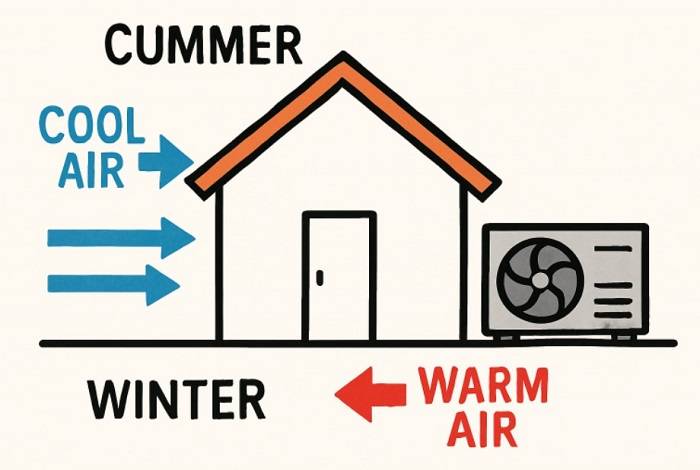
At their core, heat pumps transfer heat between indoor and outdoor environments, rather than burning fuel to generate warmth or using a compressor to deliver cool air. In winter, heat pumps extract warmth from the outside air (even in low temperatures) and bring it indoors. During the summer, the process reverses, removing heat from inside your home and releasing it outside. This dual-purpose capability offers exceptional flexibility and convenience for homeowners seeking efficient climate control from a single system. More detailed technical explanations can be found on mainstream resources such as AirZone HVAC Services.
Energy Efficiency and Cost Savings
The primary appeal of heat pumps is their superior energy efficiency. Unlike standard heaters that consume large amounts of energy to generate heat directly, heat pumps move heat, resulting in significantly lower overall energy consumption. For many households, this translates to noticeable savings on monthly utility bills, sometimes reaching hundreds of dollars each year, depending on the previous heating source. Additionally, by making homes more efficient, heat pumps help mitigate strain on the electrical grid during peak demand times, promoting a more sustainable energy landscape.
Performance in Cold Climates
Older heat pump models sometimes struggled to deliver adequate warmth in freezing conditions. However, today’s cold-climate heat pumps feature technological advancements that enable them to extract usable heat even when outdoor temperatures drop well below zero. Thanks to innovations such as variable-speed compressors and improved refrigerant cycles, these systems can provide both comfort and efficiency in homes in regions with harsh winters. Recent studies and expert commentary, including those from CBC News, show that reliable performance now extends well into the coldest days, making heat pumps a practical choice for more Canadian households.
Integration with Smart Home Technology
Modern heat pumps can be linked to smart thermostats and home automation platforms, enabling homeowners to better control and customize their indoor environment. From remote temperature adjustments via smartphone apps to intelligent scheduling that matches household activity patterns, these integrations optimize comfort and efficiency. Smart features can help limit wasted energy, lower utility costs, and provide a more personalized living experience, making heat pumps not only practical, but also highly user-friendly in today’s tech-oriented homes.
Environmental Impact
Switching from oil, propane, or electric resistance heating to an energy-efficient heat pump reduces a home’s carbon footprint. By consuming less electricity and foregoing combustion-based systems, heat pumps help lower greenhouse gas emissions and align with broader environmental sustainability goals. This reduction in reliance on fossil fuels is especially significant as more regions commit to ambitious climate action plans and the future of home energy transitions toward greener alternatives. The environmental benefits have also been noted by national organizations such as Natural Resources Canada.
Government Incentives and Support
Many provincial and federal programs now offer financial incentives, rebates, and tax credits to reduce the upfront costs of installing a heat pump. These programs are designed to encourage homeowners to adopt energy-efficient solutions, making heat pumps more attainable for families with different budgets. Staying informed about the latest incentive offerings can significantly impact the affordability of a heat pump upgrade, allowing more households to improve their comfort, save money, and support sustainable living. For example, the Enbridge Home Efficiency Rebate Plus (HER+) program offers substantial rebates for eligible installations.
Heat pumps provide an unmatched combination of year-round comfort, energy savings, and environmental responsibility. Enhanced by smart technology and supported by various public incentives, they represent one of the most important advancements in residential climate control. For homeowners seeking to lower energy costs and increase comfort while making eco-conscious choices, investing in a quality heat pump system is a forward-thinking solution.