

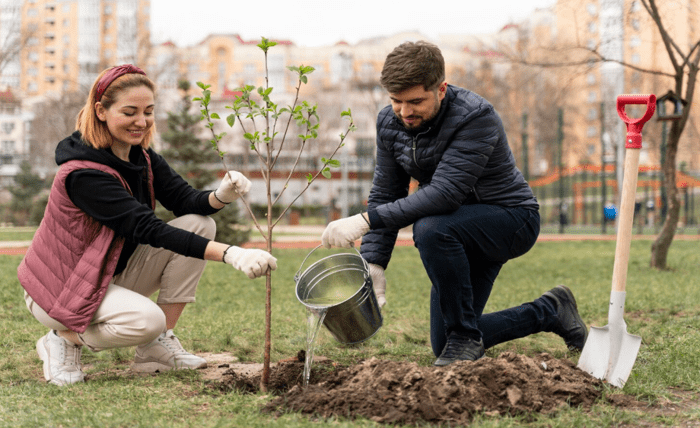
Trees are the heart of any landscape, providing shade, beauty, and essential ecological benefits. Proper tree care helps ensure a vibrant yard and the long-term health and value of your property. Understanding how to maintain and monitor your trees is key—consulting a knowledgeable arborist Westlake can help you implement best practices that suit your environment and tree species.
By following a holistic approach to tree care, you support not only your landscape’s beauty but also create a habitat that contributes to cleaner air, stable soil, and diverse wildlife. Every homeowner can take practical measures to promote healthy growth and prevent the most common issues. Let’s examine essential practices, focusing on prevention, maintenance, and the importance of professional guidance.
Pruning: Timing and Techniques
Pruning is fundamental for managing tree shape and health. Ideally, pruning should be performed during periods when trees are dormant, typically late fall through winter, to minimize the chance of infections such as Oak Wilt and Dutch Elm Disease, which are often spread by insect activity in warmer months. Removing dead or diseased branches not only improves aeration and sunlight penetration but also lessens fall hazards. Use sanitized, sharp tools and make clean cuts close to the branch collar, as jagged or torn wounds can attract pests and pathogens.
Watering: Striking the Right Balance
Watering is a critical factor for both young and mature trees. Newly planted trees rely on deep, consistent watering—usually once a week if rainfall is lacking—for the first two years of establishment. Mature trees benefit more from deep, infrequent watering, which encourages deeper root growth and enhances drought resistance. Avoid shallow, frequent watering as it fosters surface roots, making trees more vulnerable to drought and storm damage. Early morning is the best time to water to maximize absorption and minimize water loss through evaporation and leaf burn.
Mulching: Benefits and Best Practices
Applying organic mulch, such as wood chips or bark, helps maintain consistent soil moisture, suppresses weeds, and protects roots from temperature fluctuations. Spread a 2–4 inch layer around the base, extending to the drip line, but keep mulch several inches away from the trunk to prevent rot and pest infestations. Mulch also gradually decomposes, enriching the soil with nutrients and improving overall soil structure and fertility.
Protecting Trees from Pests and Diseases
Routine checks for pests and diseases can prevent minor issues from turning into major threats. Keep an eye out for symptoms such as yellowing or browning leaves, oozing sap, holes in the bark, or sudden dieback of branches. Integrated pest management (IPM)—combining biological controls, cultural practices, and targeted chemical use when necessary—minimizes environmental impact while effectively reducing infestations. If symptoms persist, consult a certified arborist for diagnosis and treatment recommendations.
Recognizing Signs of Tree Distress
Early intervention is the key to preserving the health of your trees. Warning signs include thinning or off-color foliage, dead or drooping branches, deep trunk cracks, and shifting alignment, such as sudden leaning. These symptoms suggest underlying health issues, such as root rot, soil compaction, pest infestations, or mechanical injuries. Regular inspections, especially after storms or changes in environmental conditions, can alert you to potential problems before they become irreversible.
Avoiding Common Tree Care Mistakes
Many mistakes, such as planting trees too deeply, piling mulch against the trunk, or improper pruning, can do more harm than good. Loose, wide planting holes are preferable to deep, narrow ones, and mulch should never come into contact with the bark. Pruning mistakes, such as topping (removing large branches indiscriminately), can cause stress to trees and increase the likelihood of disease. Before attempting major care tasks, research best practices for your specific tree species and climate, or consult a professional for guidance.
When to Seek Professional Help
Certain tasks—such as caring for large, mature trees, hazardous removals, or managing complex diseases—are best handled by certified arborists. A professional brings experience and specialized equipment to safely perform difficult tasks and offers advice tailored to your specific landscape. Don’t wait for an emergency; routine consultations ensure your trees remain healthy, resilient, and beautiful.
Consistent, informed tree care not only enhances your property’s appeal but sustains vital environmental services for years to come. With proper care, observation, and expert support where necessary, your landscape will continue to thrive, providing benefits to both you and the broader ecosystem.
Conclusion
Proper tree care combines timing, technique, and observation to ensure long-term health and resilience. From pruning at the right season to watering appropriately, mulching effectively, and monitoring for pests and disease, each practice contributes to stronger, more vibrant trees. Recognizing early signs of distress and avoiding common mistakes helps prevent irreversible damage, while professional guidance can safeguard large or complex specimens. By committing to consistent, informed care, homeowners not only enhance their landscape’s beauty but also support the environment, creating a thriving outdoor space that benefits both people and nature for years to come.