

Legal work depends on documents. Always has.
Every contract, agreement, or notice eventually comes down to one thing — getting it signed. And not just signed, but done on time, correctly, and in a way that holds up legally.
The problem is, the old way of doing this is slow. Print. Send. Wait. Follow up. Repeat.
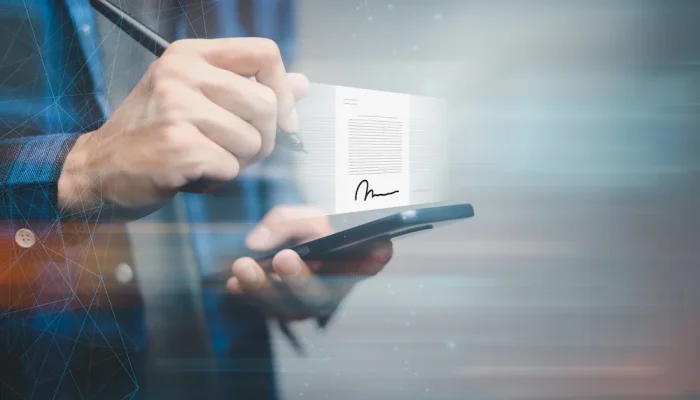
That’s where digital signatures online tools have started changing things. Not in a dramatic overnight way, but steadily. And it’s already visible inside legal workflows.
Why Documentation Is So Critical in Legal Work
In most industries, delays are inconvenient. In legal work, they can become serious.
A missing signature can hold back a deal. A delayed approval can affect timelines. Sometimes even compliance.
And the process itself? Still very manual in many cases.
Documents move from one person to another. Emails, couriers, scanned copies. Somewhere in between, things get stuck. Or missed.
Tracking becomes another issue. Once a file is sent, you’re mostly relying on follow-ups. There’s no real clarity unless you check again and again. This is exactly where the friction builds up.
What a Digital Signature Actually Means Here
A digital signature online is not just typing your name or pasting an image. It’s more structured than that. It uses encryption. There’s a system behind it that links the signer to the document in a verifiable way. Once a document is signed, any change can be detected. That’s important in legal work.
Also, every action gets recorded. Who signed, when they signed, even basic details around it. That creates a trail without extra effort.
It doesn’t feel like a big change at first. But over time, it replaces a lot of manual checking.
Are Digital Signatures Online Legally Valid?
This is usually the first question.
And it makes sense. Legal teams can’t take risks with document validity.
In India, electronic signatures are recognized under the Information Technology Act, 2000. That means documents signed digitally can be valid, as long as the required process is followed.
There’s also clarity around contracts. A contract doesn’t lose validity just because it was accepted digitally. So from a legal standpoint, the foundation is already there.
Where Legal Teams Are Using Digital Signatures
This shift didn’t happen for just one type of document. It’s spread across different areas.
You’ll see it in:
- Client contracts
- NDAs
- Vendor agreements
- Internal approvals
- Compliance documents
Basically, anywhere signatures are needed frequently.
And in legal work, that’s… almost everywhere.
What Slows Things Down Without Digital Signature
The traditional process still works. But it adds friction.
Time is the first issue. Getting one document signed by multiple people can take longer than expected.
Then coordination. Someone signs late, someone misses it, someone asks for a new version. Storage becomes messy too. Physical files, scanned copies, multiple versions floating around.
And errors. Small ones, but enough to create problems later. None of this is unusual. It’s just how the system has been.
What Changes When You Move to Digital Signing
The difference is not just speed. It’s how the process behaves.
Documents move faster. That part is obvious.
But more importantly, you can see what’s happening. Who signed. Who didn’t. Where it’s stuck.
No guessing. Signing also becomes location-independent. Clients don’t need to be physically present. That alone removes a big delay.
Workflows can be set in order. One person signs, then it moves to the next automatically. It reduces back-and-forth. Quietly.
Digital Signature Legal Industry: Security and Compliance
Security isn’t optional in legal work. That’s understood.
The digital signature legal industry is built around this requirement.
Most systems focus on a few key things:
- Encryption so documents stay protected
- Identity verification before signing
- Audit trails for every action
- Controlled access to files
These are not extra features. They are part of making sure the document can be trusted later.
And in legal scenarios, that matters more than anything else.
How Law Firms Are Actually Benefiting
The impact shows up in small ways first. Faster turnaround. Less waiting. Clients don’t have to deal with printing or scanning. Everything happens online.
Teams spend less time managing documents and more time working on actual legal tasks. Costs also reduce, but that’s usually a secondary benefit. The bigger shift is in how smoothly things move.
When It Starts Becoming Necessary
Not every firm switches early. But there’s a point where manual processes start slowing things down too much.
- If contracts are frequent, delays become visible.
- If clients are remote, physical signing becomes impractical.
- If tracking documents feels messy, something needs to change.
That’s usually when digital signatures online move from “optional” to “needed”.
Final Thought
Legal work is built on precision. And timing. The tools used should support that, not complicate it.
Digital signatures online don’t change the nature of legal work. They just remove the unnecessary delays around it. And once that friction is gone, everything else becomes a little easier to manage.