

Tiruchirappalli is a city of history, living alongside the routine and beliefs of its people. Temples, rivers, and old streets determine how people conduct day-to-day thinking and worship. Culture here is not organized for visitors; it is something that keeps flowing through sound, prayer, and work. A traveller desiring to comprehend the place needs to slow down and observe things around carefully. Planning your routes and booking hotel online in advance eliminates daily logistics, freeing up time to explore, observe, and absorb the local culture. Further, during extended, thoughtful cultural stays there, this approach will allow heritage to be felt through simple moments rather than rushed sightseeing or surface-level views.
- Rockfort Hill and the Emergence of the City: Rockfort Hill rises in the middle of Tiruchirappalli, manifesting numerous layers of power and faith. The climb upwards follows ancient steps, carved into stone and memory. Small temples come up through the path, showing various periods of rule, devotion, and defence. Climbing to the top shows the extent of the distribution of the city and why this hill was significant for defence purposes. This area is still alive today, as people from the community visit it every day. Rockfort is where belief and history merge seamlessly, creating a living space where devotion, community, and time flow together without boundaries.
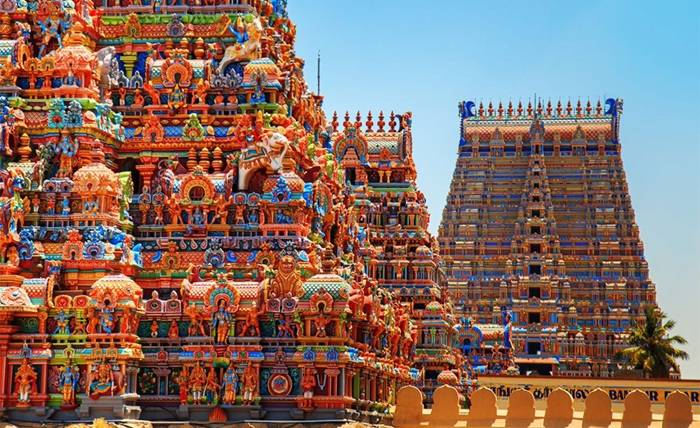
- Sri Ranganathaswamy Temple and the Sacred Order: The Sri Ranganathaswamy Temple is an embodiment of the religion in the city by virtue of scale. The buildings tend to create a living city where the halls, entrances, and open courts lead visitors gradually towards the interior. The sculptures on walls, pillars, and towers showcase stories passed down through generations by oral tradition rather than written instructions. The religious practices also take place from early in the morning to late in the afternoon, establishing the continuity of discipline. Exploring the place, walkers can witness the integration of belief, creative expressions, and practices.
-
- The Cauvery River and Cultural Balance: The Cauvery River maintains cultural harmony in Tiruchirappalli in a subtle manner. The river and its influence have formed agricultural settlements and temple sites in the region over the centuries. People assemble along its banks to pray and conduct their daily chores simply. It is by observing the activities of people on a daily basis in and near the river that one understands the interdependence between nature and religion. This has continued in the present scenario as well, and the river has not made any demands to grab people’s attention but continues to act as a medium to guide life’s movement in the city.
- Colonial Landmarks and Changing Times: The colonial-era architecture contributes a new chapter in the history of the city but does not overshadow older traditions. The churches, schools, and public buildings represent trade, education, and administration during that era. The architectural features combine foreign structure with indigenous material and environmental requirements. Such sites demonstrate adaptation instead of replacement. Visiting them will enable travellers to observe how well the city of Tiruchirappalli was able to cope and retain its language and social behaviours in the face of change.
- Stay Close to Historical Locations: Staying close to the heritage locations will allow for in-depth travel rather than having to move constantly. Many people look for locations close to Rockfort in this regard. Hotels such as SRM Hotel Tiruchirappalli, Red Fox by Lemon Tree Hotels, Tiruchirappalli Plaza Hotel, Trichy Hotel Oxina Lygon SAS Square & Shiva Nest tend to be preferred locations. Booking hotel online in advance aids in aligning walking paths, rest time, and exploration in a smooth manner rather than causing discontent or disturbance during travel days.
In conclusion, Tiruchirappalli has meaning for those who wander at a slow pace and pause to see. Each monument contributes to an overarching narrative determined by belief, nature, and time. To walk at a leisurely pace permits Tiruchirappalli to reveal itself by natural process. Culture exists here in everyday life, not displayed for observation. To visit thoughtfully means to cultivate respect, comprehension, and a tranquil relationship. Visitors leave with a sense of how the past remains alive in daily life—woven into local routines, sacred spaces, religious practices, and community relationships.