

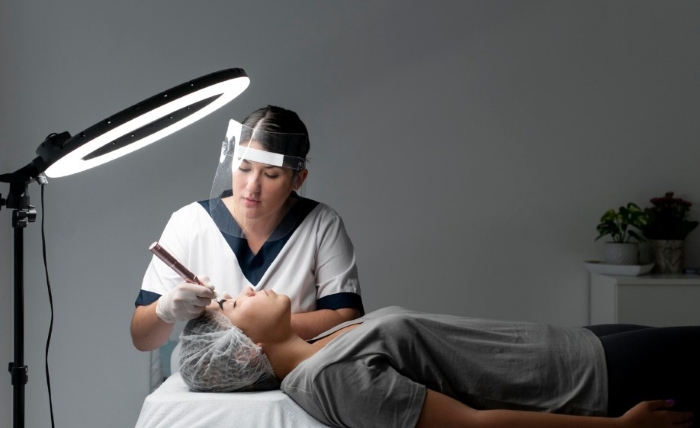
Red light therapy (RLT) is a non-invasive wellness treatment that uses low-level wavelengths of red and near-infrared light to stimulate natural healing processes in the body. Over the past decade, it has gained significant popularity in dermatology, sports recovery, pain management, and general wellness.
Often referred to as photobiomodulation or low-level light therapy (LLLT), red light therapy is used in clinics, physiotherapy centers, spas, and even at home through LED devices and panels. Unlike ultraviolet (UV) rays, which can damage the skin, red light penetrates the skin safely and interacts with cells to support repair and regeneration. Check this also iv drip therapy in dubai
How Red Light Therapy Works
Red light therapy works by delivering specific wavelengths of light typically between 600 and 900 nanometers into the skin and underlying tissues. These wavelengths are absorbed by the mitochondria, often called the “powerhouses” of the cells.
When mitochondria absorb red light, they produce more adenosine triphosphate (ATP), which is the energy currency of the body. Increased ATP production enhances cellular function, repair, and regeneration.
In simple terms, red light therapy helps your cells work more efficiently, leading to:
- Faster tissue repair
- Reduced inflammation
- Improved circulation
- Enhanced collagen production
- Better overall cellular performance
This biological response is what makes red light therapy useful across a wide range of health and cosmetic applications. Check this also hyper bariatric oxygen therapy
Key Benefits of Red Light Therapy
1. Skin Health and Anti-Aging
One of the most popular uses of red light therapy is improving skin appearance. It stimulates collagen production, which helps reduce wrinkles, fine lines, and sagging skin.
Regular use may also improve:
- Skin elasticity
- Skin tone and texture
- Acne and acne scars
- Sun-damaged skin
Many dermatologists recommend red light therapy as a non-invasive alternative to chemical peels and laser resurfacing for mild to moderate skin concerns.
2. Pain Relief and Inflammation Reduction
Red light therapy is widely used for pain management. It helps reduce inflammation in muscles, joints, and connective tissues, making it useful for conditions such as:
- Arthritis
- Back pain
- Neck stiffness
- Tendonitis
- Muscle soreness
Athletes often use it to speed up recovery after intense training or injuries. By increasing blood flow and reducing oxidative stress, it supports faster healing in damaged tissues.
3. Muscle Recovery and Athletic Performance
Fitness professionals and physiotherapists use red light therapy to improve muscle recovery. It helps reduce delayed onset muscle soreness (DOMS) and enhances endurance over time.
Benefits for athletes include:
- Faster post-workout recovery
- Reduced muscle fatigue
- Improved performance consistency
- Lower risk of overuse injuries
This makes it popular in professional sports, including football, running, and weight training.
4. Wound Healing and Tissue Repair
Red light therapy accelerates the body’s natural healing processes. It is sometimes used in clinical settings for wound healing, including:
- Cuts and abrasions
- Post-surgical recovery
- Burns
- Skin injuries
By increasing circulation and stimulating cell regeneration, it helps tissues repair more efficiently.
5. Hair Growth Support
Another growing application of red light therapy is treating hair thinning and hair loss. It stimulates hair follicles, improving their activity and promoting new hair growth.
It is commonly used for:
- Androgenetic alopecia (pattern baldness)
- Thinning hair in men and women
- Postpartum hair loss
Low-level laser therapy (LLLT) devices such as caps and helmets are often used for this purpose.
6. Mood and Sleep Improvement
Emerging research suggests that red light therapy may help regulate circadian rhythms and improve sleep quality. Exposure to red light in the evening may promote melatonin production, helping the body prepare for rest.
Some users report:
- Better sleep quality
- Reduced stress levels
- Improved mental clarity
- Enhanced overall mood
While research is still developing, early results are promising.
Scientific Evidence Behind Red Light Therapy
The science behind red light therapy is based on photobiomodulation, a well-studied field of medical research. Studies show that red and near-infrared light can positively affect mitochondrial function, inflammation levels, and tissue regeneration.
Research highlights include:
- Increased collagen synthesis in skin cells
- Reduced inflammatory markers in tissues
- Improved blood flow and oxygen delivery
- Enhanced cellular energy production
However, it is important to note that results can vary depending on wavelength, treatment duration, and device quality. Ongoing research continues to explore its full potential across different medical conditions.
Common Uses of Red Light Therapy
Red light therapy is now widely used in both clinical and home settings. Common applications include:
Dermatology Clinics
Used for anti-aging treatments, acne reduction, and skin rejuvenation.
Physiotherapy Centers
Used for pain relief, joint recovery, and sports injuries.
Fitness and Sports Recovery
Used by athletes for faster muscle recovery and performance optimization.
Home Devices
LED panels, masks, and handheld devices allow users to perform therapy at home.
Wellness Spas
Offered as part of relaxation, detox, and skin improvement packages.
How to Use Red Light Therapy
Using red light therapy correctly is important for achieving optimal results. General guidelines include:
- Sessions typically last 10 to 20 minutes
- Treatment 3 to 5 times per week is common
- Maintain a distance of 6 to 12 inches from the light source
- Consistency is more important than intensity
- Results usually appear after 4 to 8 weeks
It is always recommended to follow manufacturer instructions or consult a healthcare professional before starting treatment.
Safety and Side Effects
Red light therapy is generally considered safe and non-invasive. It does not produce heat damage or UV radiation.
However, minor side effects may include:
- Temporary redness
- Mild eye strain if not protected
- Skin sensitivity in rare cases
Protective eyewear is often recommended during sessions, especially with high-intensity devices.
People with specific medical conditions or those taking photosensitizing medications should consult a doctor before using red light therapy.
Red Light Therapy at Home vs Clinical Treatment
Both home devices and professional treatments offer benefits, but there are differences:
Home Devices
- Convenient and cost-effective
- Suitable for long-term use
- Lower intensity compared to clinic machines
Clinical Treatments
- Higher-powered devices
- Faster results in some cases
- Supervised by professionals
Choosing between them depends on goals, budget, and severity of the condition being treated.
Future of Red Light Therapy
The future of red light therapy looks promising as research continues to expand. Scientists are exploring its potential in:
- Neurological disorders
- Brain health and cognitive function
- Chronic pain management
- Metabolic health
- Advanced wound healing techniques
With increasing adoption in medical and wellness industries, red light therapy is expected to become a mainstream complementary treatment.
Conclusion
Red light therapy is a powerful, non-invasive treatment that supports skin health, pain relief, muscle recovery, and overall cellular function. Backed by growing scientific evidence, it is becoming a popular choice for both medical professionals and everyday users seeking natural healing solutions.
Whether used for anti-aging, sports recovery, or general wellness, red light therapy offers a safe and effective way to enhance the body’s natural repair processes. As research continues, its applications are likely to expand even further, making it one of the most exciting developments in modern wellness technology.