

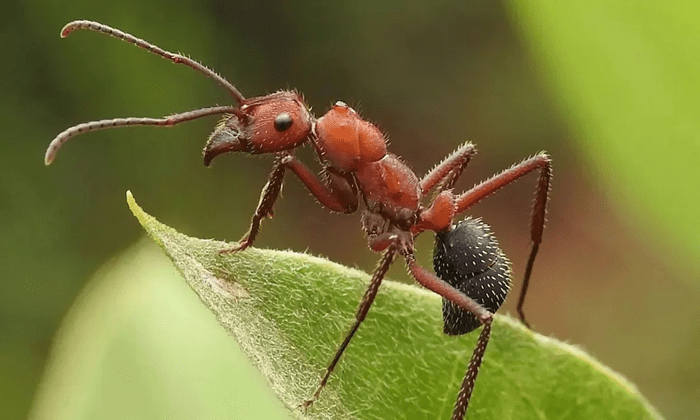
Most of us have spotted a line of ants crossing the kitchen worktop or noticed flies gathering near a window. It is easy to shrug it off as a minor nuisance, especially in summer when insects are more active. But when those sightings become more frequent, it is worth taking a closer look at what is going on.
Insects are one of the most widespread categories of household pest in the UK. Unlike larger animals such as rats or squirrels, they are easy to overlook because they are small and good at staying out of sight. By the time most people notice a real problem, the infestation has often been building for weeks or months. Understanding a bit about insect behaviour can make a big difference in how quickly the issue gets resolved.
Why Insects Enter Homes in the First Place
Insects are not invading a property out of choice. They are looking for food, warmth, and shelter, and homes provide all three. Cockroaches thrive in warm, dark spaces near food sources. Fleas follow pets indoors and settle into carpets and soft furnishings. Silverfish are drawn to damp areas like bathrooms and utility rooms.
The season matters too. Ants tend to appear in spring and summer when colonies are expanding. Wasps become more active in late summer. Moths, which can damage clothing and stored food, are often at their worst between May and October. Knowing which insects are common at different times of year helps property owners stay ahead of the problem.
The Risks That Often Get Overlooked
People often focus on the unpleasant feeling of having insects in the home rather than the genuine risks they carry. Some species transport bacteria that can contaminate food surfaces. Cockroaches have been linked to the spread of salmonella and other pathogens. Fleas can cause allergic reactions in both people and pets.
There are structural concerns too. Woodboring beetles can weaken floorboards and timber over time, and this damage is not always visible until it has gone quite far. That is why early professional insect pest control is so valuable. Catching the problem early almost always means less disruption and a lower cost.
What Professional Help Actually Involves
Many people try to manage insect problems using shop-bought sprays and traps. These can help with very minor issues, but they tend to treat the surface of a problem rather than the root cause. A spray might clear the ants you can see, but it will not remove the trail pheromone guiding more towards the same spot.
Professional insect pest control means identifying the specific species, finding where they are nesting or entering the property, and applying treatments that address the source. It also includes advice on reducing the conditions that first attracted the insects, whether that means better food storage, fixing a damp patch, or sealing a gap around a pipe.
Simple Steps That Make a Difference
Good habits can reduce how welcoming a home is to insects. Keeping food in sealed containers is one of the most effective things a household can do. Emptying bins regularly and cleaning behind kitchen appliances removes hidden food sources. Filling in cracks in skirting boards and checking the seals around doors and windows makes it harder for insects to get inside.
Insects are a normal part of the natural world, but they do not need to share your living space. Knowing when to call in professional help can prevent a small problem from becoming a much bigger one