

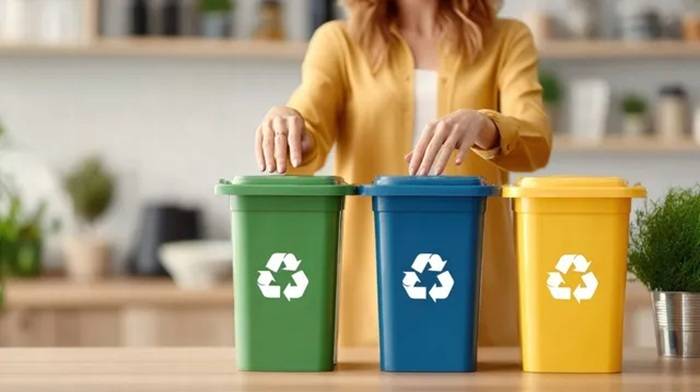
- Poorly managed household and commercial waste has a direct impact on the environment and public health.
- Knowing what type of waste you have and how it should be handled can save time and money.
- Regular, responsible waste collection is one of the simplest ways for households and businesses to reduce their environmental footprint.
Most of us do not think too much about what happens to our rubbish once it leaves our doorstep. We fill a bin, put it out on the right day, and get on with things. But waste management is a much bigger topic than a weekly bin day, and understanding it a little better can make a real difference, both for us and for the environment around us.
The UK produces millions of tonnes of waste every year. Homes, building sites, businesses, and public spaces all contribute to that figure. Without proper systems in place to handle it, waste quickly becomes a problem that affects everyone, from the appearance of local streets to the quality of air and water in our communities.
What Counts as Waste?
Waste is not just the food scraps and cardboard boxes that go in your household bin. It also includes larger items like old furniture and appliances, garden waste such as soil and branches, construction materials like bricks and plasterboard, and hazardous substances like paint or certain chemicals. Each type of waste needs to be handled differently, and putting the wrong thing in the wrong place can cause real harm.
For example, mattresses and televisions cannot simply be left at the roadside. Certain electronics contain materials that are harmful if they end up in landfill. Garden waste that is mixed with general rubbish cannot be composted. Understanding these distinctions is the first step towards disposing of things properly.
The Cost of Getting It Wrong
Fly-tipping, which means dumping waste illegally in public spaces or on private land, is a serious problem across England. According to gov.uk, local councils deal with over one million fly-tipping incidents every year. Clearing these sites costs tens of millions of pounds annually, money that comes from public funds that could be spent elsewhere.
Beyond the cost, fly-tipped waste attracts pests, blocks drainage systems, and can leach harmful substances into the soil. It also makes areas look neglected, which can affect property values and community wellbeing.
Why Scheduled Waste Collection Makes a Difference
Having a regular, reliable system for waste collection removes the temptation to deal with rubbish in ways that cause harm. When people know there is a straightforward option available, they are far more likely to use it.
This is especially true for larger volumes of waste, such as when clearing out a property, completing a renovation, or running a business that produces significant amounts of material on a regular basis. In these cases, a one-off or ongoing waste collection arrangement with a licensed provider is often the most practical and legally compliant choice.
Recycling: A Bigger Picture
One of the most important goals in modern waste management is reducing the amount of material that ends up in landfill. Recycling plays a central role in this. Glass, metal, paper, and most plastics can all be processed and turned into new products, reducing the need to extract fresh raw materials from the earth.
Advanced waste processing centres can now sort and recover a wide range of materials automatically, meaning that even mixed loads of waste can yield a high proportion of recyclable content. This is a significant development, as it reduces the burden on individuals to sort every item perfectly before disposal.
Practical Steps for Households and Businesses
Whether you are managing waste at home or in a commercial setting, a few simple habits can make a meaningful difference.
- Separate recyclables from general waste wherever possible.
- Do not mix hazardous materials, such as batteries or paint, with other rubbish.
- Book a licensed collection service for bulky or specialist items rather than leaving them on the kerb.
- Check what your local provider accepts before disposing of anything you are unsure about.
Taking waste seriously is not just about following the rules. It is about recognising that the choices we make about rubbish have real consequences for the places we live and work in.
Conclusion
Waste collection might seem like a background task, but it sits at the heart of how communities stay clean, healthy, and sustainable. By understanding the options available and choosing responsible disposal routes, both households and businesses can play a meaningful part in reducing the environmental impact of the waste they produce. Small decisions, made consistently, add up to a much bigger result.