

It’s time to rethink workplace recognition in 2026. Businesses are seeking increased engagement, retention, and trust. There are rewards like cash, which are easy to give and easy to receive, but they may only last a while.
In today’s world, teams appreciate experiences that demonstrate effort, thought, and customization. Structured appreciation programs are becoming more relevant to develop culture and loyalty. Communication, recognition, and presentation mean a lot in employee satisfaction these days. Emotional connection can lead to greater team cooperation and commitment.
Shift Toward Experience-Based Rewards
Modern employees expect more than financial incentives. They look for recognition that feels intentional and personal. Experience-based rewards create lasting impressions. They also support positive workplace culture. This approach encourages stronger emotional engagement and shared value within teams.
Employee Gift Boxes Build Emotional Connection
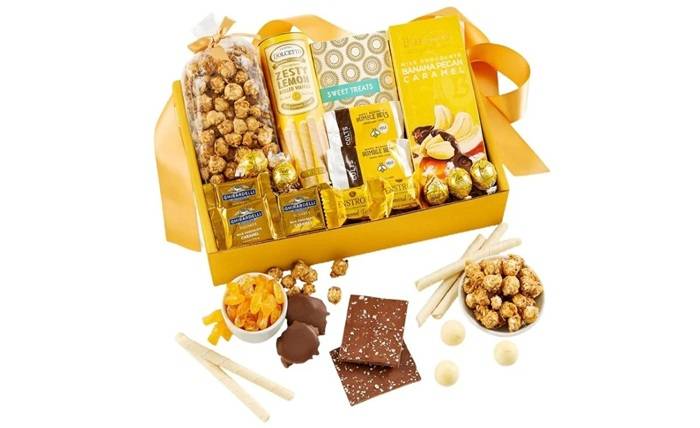
The employee gift boxes are designed to feel thoughtful and customized. They combine useful items with creative presentation. This makes recognition more memorable than direct payments. Employees often appreciate the effort behind selection and packaging. The experience becomes part of the reward itself, not just the contents.
Key Advantages
- Create surprise and excitement during delivery.
- Show planning and attention to individual preferences.
- Strengthen team morale through shared experiences.
- Support long-term appreciation instead of short-term benefit.
Comparison Between Gift Boxes and Cash Rewards
| Factor | Employee Gift Boxes | Cash Rewards |
| Emotional Impact | High due to personalization | Moderate and short term |
| Memorability | Strong and experience driven | Often quickly forgotten |
| Presentation Value | Creative and structured | Simple transfer method |
| Brand Alignment | Can reflect company identity | Limited connection to brand |
| Engagement Effect | Encourages connection | Primarily financial motivation |
Impact on Workplace Culture
Recognition influences employees’ attitudes toward their organization. Carefully planned incentives enhance trust and contentment. When a leader’s appreciation is sincere, it enhances the bond between leadership and teams. Consistency is also facilitated by structured programs. This promotes job security and morale at the workplace over time.
Why Structured Recognition Matters
Establishes effective systems of rewards to keep organizations organized. They promote fairness and transparency. Gift-based recognition can be structured by milestone, achievement, or team goals. This is a structured way to ensure that motivation is consistent with the company’s goals.
A long-term value for the organization
Money-based rewards are instant gratification. But if there is meaningful recognition, then there is emotional loyalty. Staff recalls work situations that involve effort and creativity. This lasting impression can impact engagement, productivity, and retention. Businesses that prioritize strategy over frivolous incentives tend to foster better community within the business.
Strategic Table Summary for Decision Making
| Decision Area | Structured Gift Approach | Direct Cash Approach |
| Employee Engagement | Encourages interaction and appreciation | Focused on financial value |
| Cultural Development | Supports identity and teamwork | Limited cultural influence |
| Retention Support | Builds emotional loyalty | Dependent on amount offered |
| Brand Communication | Can reflect company values | Minimal branding impact |
Future Outlook in 2026
Organizations are moving toward recognition systems that feel personal and meaningful. Structured presentation, thoughtful selection, and experience-driven rewards are gaining importance. This approach supports stronger relationships and improved morale. Companies that integrate employee gift boxes into their strategy may achieve deeper engagement and sustainable workplace satisfaction.
FAQs
- Why are structured rewards becoming popular?
They create a stronger emotional impact and long-term engagement compared to simple payments.
- Do gift-based rewards improve workplace culture?
Yes, they encourage connection, teamwork, and consistent appreciation.
- Are cash rewards still effective?
Yes, but they mainly provide short-term financial motivation.
- Can structured recognition support company goals?
Yes, when aligned with performance milestones and organizational values.
- What makes presentation important in rewards?
Creative presentation increases excitement and improves overall experience.