

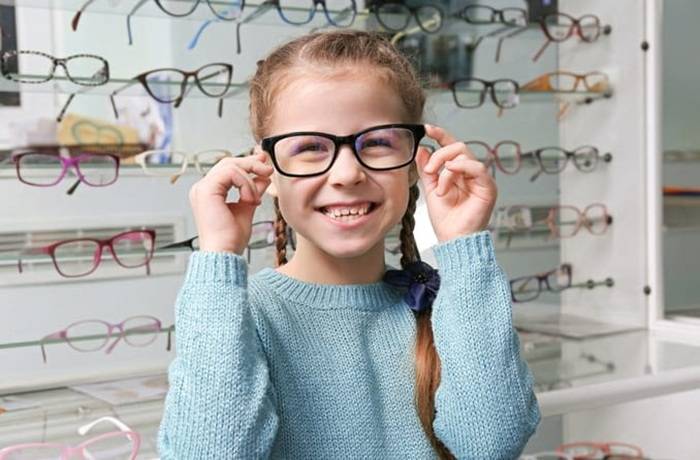
When your child comes home with a note from the school nurse saying they need glasses, a wave of questions floods in. Will they actually wear them? Can the frames survive playground tumbles and backpack stuffing? For parents of school-aged children, finding the right children’s eyeglasses feels like solving a puzzle where comfort, durability, and style must all click into place.
Vision correction isn’t just about seeing the board clearly—it shapes how confidently your child navigates classrooms, sports fields, and social moments. Some older kids might prefer the mature, sophisticated look of semi rimless glasses, while others need the full-frame security of flexible plastic. For kids aged 8 to 12, eyeglasses become daily companions through homework sessions, recess adventures, and everything in between. The challenge lies in selecting frames that won’t slide down during soccer practice, break during roughhousing, or end up forgotten in a drawer because they’re uncomfortable. Parents understandably worry about investing in eyewear that can keep pace with their child’s active lifestyle while actually being worn consistently. The solution starts with understanding what makes high-quality frames truly work: lightweight construction that doesn’t burden small faces and durable designs built to withstand the reality of childhood.
Why Choosing the Right Eyeglasses for Kids is Crucial
The right pair of eyeglasses does far more than sharpen blurry letters on a whiteboard. During the critical developmental years between ages 8 and 12, proper vision correction directly influences how children absorb information, participate in class discussions, and develop reading skills. Studies show that untreated vision problems can mimic learning difficulties, leading to frustration and falling grades. Beyond academics, eyeglasses affect a child’s willingness to join playground games or try new sports—activities essential for physical development and social bonding. Parents often worry their child will refuse to wear uncomfortable frames or that glasses won’t survive a single week of typical childhood chaos. These concerns are valid when you consider that children touch their faces frequently, toss belongings into bags without care, and engage in spontaneous roughhousing. Lightweight frames eliminate the constant sliding and pressure marks that make kids want to remove their glasses, while durable construction means parents aren’t replacing broken frames every few months. When eyeglasses fit well and hold up to daily adventures, children wear them consistently, protecting their vision development and building the confidence that comes from seeing the world clearly.
Essential Features of Ideal Children’s Eyeglasses
Lightweight Frames for All-Day Comfort
Lightweight frames transform eyeglasses from a burden into something children barely notice they’re wearing. Materials like titanium, TR-90 plastic, and specialized memory metals weigh significantly less than traditional acetate or metal frames, eliminating the pressure points that develop on small noses and behind ears during long school days. When frames weigh just a few grams, kids stop fidgeting to adjust them during class or pushing them up their noses during recess. This reduced weight means no red marks on the bridge of the nose or sore spots behind the ears that make children want to remove their glasses the moment they get home. For active children constantly moving between activities, lightweight frames stay comfortably in place whether they’re leaning over homework, running during PE class, or playing with friends at lunch.
Durable Designs for Everyday Use
Durability determines whether eyeglasses last a school year or just a few weeks. Frames built with flexible materials like TR-90 or memory titanium can bend without breaking when accidentally sat on or stepped on—inevitable occurrences in childhood. Impact-resistant construction withstands the drops, bumps, and rough handling that come with being tossed into backpacks or left on cafeteria tables. Spring hinges absorb stress when temples get pulled or twisted, preventing the sudden breaks that happen with rigid frames. Quality durable frames feature reinforced joints at stress points and scratch-resistant coatings on lenses, addressing the reality that children aren’t gentle with their belongings. This resilience saves parents from frequent replacement costs and ensures kids always have functioning glasses when they need them.
Stylish Options for Kids Aged 8 to 12
Style matters tremendously to children navigating social dynamics in elementary and middle school. Today’s eyeglasses for kids aged 8 to 12 come in vibrant colors, fun patterns, and designs that mirror adult fashion trends without looking childish. Rectangular frames offer a mature look for tweens wanting to appear older, while rounded styles provide a friendly, approachable aesthetic. Popular options include two-tone frames, subtle geometric patterns, and colors beyond basic black or brown—think navy, burgundy, or tortoiseshell. When children feel their glasses look cool rather than medical, they wear them proudly instead of hiding them in pockets. This confidence boost affects everything from classroom participation to making new friends, proving that stylish eyeglasses serve both functional and emotional needs.
How to Ensure a Comfortable Fit for Active Children
Achieving a comfortable fit starts with accurate measurements of your child’s face dimensions. The frame width should align with the widest part of their face without extending beyond the temples, while the bridge should rest gently on the nose without pinching or sliding. Temple arms need to extend straight back to the ears without pressing too tightly against the head. When your child looks down, the glasses should stay in place rather than slipping forward. Adjustable features make all the difference for growing children—look for frames with flexible nose pads that can be repositioned to match your child’s unique nose shape and height. Spring-loaded temples accommodate different head sizes and provide gentle pressure that keeps glasses secure during movement without causing discomfort. During the fitting process, have your child wear the frames for several minutes while reading, looking up and down, and moving their head side to side to simulate real-world use. The glasses should feel barely noticeable, with no pressure points developing on the nose bridge or behind the ears. Many optical shops offer professional adjustments to fine-tune the fit, ensuring the frames sit at the correct angle for optimal vision correction while remaining comfortable throughout active school days filled with running, bending, and playing.
Top Materials for Lightweight and Durable Frames
The material composition of children’s eyeglasses determines both their weight and ability to survive daily wear. Titanium stands out as a premium option, offering exceptional strength at minimal weight—frames often weigh less than 10 grams while resisting corrosion and bending. Its hypoallergenic properties make titanium ideal for children with sensitive skin, eliminating irritation from prolonged contact. TR-90 thermoplastic represents another excellent choice, combining flexibility with impact resistance at an affordable price point. This material can twist and flex without breaking, bouncing back to its original shape after being accidentally crushed in a backpack or stepped on during play. Memory metals, including titanium alloys and shape-memory polymers, remember their original form and self-correct after being bent, providing durability that adapts to rough handling. Traditional stainless steel offers budget-friendly durability with moderate weight, though it’s heavier than titanium or TR-90. For maximum longevity, look for frames that combine materials strategically—perhaps titanium temples for flexibility with TR-90 front frames for impact resistance. The best material choice depends on your child’s activity level and any skin sensitivities, but all these options significantly outperform older acetate frames that crack easily and weigh down small faces throughout long school days.
Practical Steps to Find the Perfect Pair of Eyeglasses for Kids
Finding the right eyeglasses begins with scheduling a comprehensive eye examination with a pediatric optometrist who specializes in children’s vision. During this appointment, the doctor will determine your child’s exact prescription and discuss any specific visual needs related to school or activities. Once you have the prescription, involve your child in selecting frames—let them try on multiple styles while you guide them toward options that meet durability and fit requirements. Start by narrowing choices to lightweight materials like titanium or TR-90, then allow your child to choose colors and styles within those parameters, giving them ownership while ensuring practicality. Many parents find that browsing online retailers like ZEELOOL alongside traditional optical shops expands their options, offering a wider range of affordable children’s frames in various materials and styles. Test each potential frame by having your child wear it for several minutes while reading, moving their head, and simulating classroom activities to check for slipping or discomfort. Ask the optician to adjust nose pads and temple arms for a customized fit, ensuring the frames sit level on your child’s face with the optical centers aligned with their pupils. Consider your child’s lifestyle when making the final decision—if they play contact sports, discuss adding a sports strap; if they’re particularly rough on belongings, prioritize the most flexible frame options. Before purchasing, verify the return or exchange policy in case the glasses don’t work out during the first week of wear, and schedule a follow-up fitting appointment to make any necessary adjustments once your child has worn them in real-world conditions.
Investing in Your Child’s Vision and Confidence
Selecting the right eyeglasses for your child between ages 8 and 12 means prioritizing three essential qualities: lightweight construction for all-day comfort, durable materials that survive active lifestyles, and styles that make your child feel confident wearing them. When frames weigh just grams and flex rather than break, children wear their glasses consistently throughout school days, sports activities, and play—ensuring proper vision correction during critical developmental years. The investment in quality eyewear pays dividends beyond clear sight, supporting academic success, social confidence, and physical safety as your child navigates their world. Materials like titanium, TR-90, and memory metals deliver the resilience needed to withstand backpack crushes and playground tumbles while remaining comfortable enough that kids forget they’re wearing them. By involving your child in selecting frames they genuinely like and ensuring professional fitting with adjustable features, you create a positive eyewear experience that encourages consistent use. Quality children’s eyeglasses aren’t just a medical necessity—they’re tools that empower your child to learn, play, and grow with clarity and confidence, making them one of the most worthwhile investments in your child’s health and happiness.