

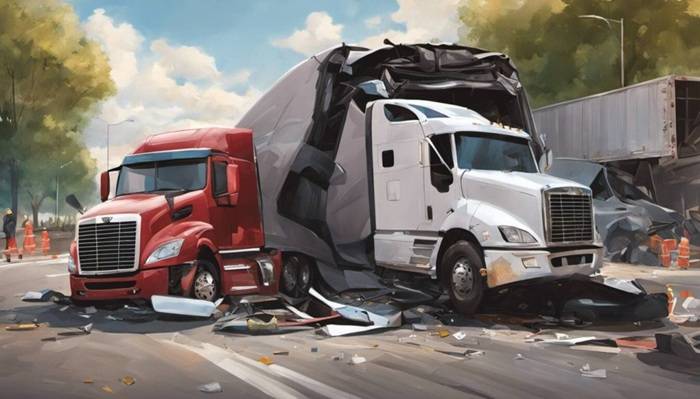
The physical impact of a car crash is instantaneous, but when that crash involves an intoxicated driver, the psychological and legal ripples can last a lifetime. In a split second, a reckless choice made by one individual can dismantle the health, financial stability, and peace of mind of an innocent family. The aftermath of such an event is a disorienting blur of sirens, medical jargon, and insurance phone calls.
In this high-stakes environment, justice is rarely a given. It must be pursued with precision. Navigating the civil and criminal complexities of these cases requires more than just resilience; it requires the strategic intervention of a drunk driving accident attorney. These legal professionals act as both architects and advocates, building a bridge between a traumatic event and the restitution necessary to rebuild a life. Understanding your rights is the first step toward reclaiming control in a situation that feels inherently uncontrollable.
The Critical Hour: Immediate Actions at the Scene
The moments following a collision are defined by adrenaline and confusion. However, the actions you take in the “Golden Hour” after an accident can fundamentally dictate the strength of your future legal claim.
Prioritize Safety and Law Enforcement: Once the dust settles, the immediate priority is medical triage. Check all parties for injuries and call 911. Even if the other driver is clearly impaired, your first duty is to secure medical care and ensure the police arrive to document the scene. An official police report is a non-negotiable piece of evidence; it provides an objective record of the driver’s condition, the road environment, and initial observations of impairment such as slurred speech or the odor of alcohol.
The Power of On-Site Evidence: While waiting for the authorities, use your smartphone as a forensic tool. Photograph the final resting positions of the vehicles, the absence of skid marks (which often indicates a lack of reaction from an impaired driver), and any visible injuries. If there are witnesses, secure their contact information immediately. Bystander testimonies are often the most persuasive elements in a trial, providing an outside perspective on the drunk driver’s erratic behavior prior to the impact. Once safety is assured, the very next call should be to a legal professional.
The Complexity of Liability: Who Is Truly Responsible?
While the fault might seem obvious when a driver is intoxicated, a drunk driving accident attorney looks beneath the surface to identify every potential source of recovery. This investigation into liability is a cornerstone of the legal process.
In many jurisdictions, liability can extend beyond the person behind the wheel. Under “Dram Shop” or social host laws, a bar, restaurant, or even a private party host may be held liable if they continued to serve alcohol to a person who was visibly intoxicated. This “vicarious liability” is crucial because individual drivers often have limited insurance coverage, whereas commercial establishments carry much larger policies.
Furthermore, a skilled attorney will investigate environmental factors. Did a faulty brake system contribute to the severity? Was a road sign obscured? By examining the totality of the circumstances, your legal team ensures that no stone is left unturned in the pursuit of accountability. They also protect you from “comparative negligence” claims, where the defense may try to shift a portion of the blame onto you to reduce the total payout.
Victim’s Rights: A Multidimensional Path to Restitution
As a victim, the law provides you with a robust framework for recovery, but these rights must be actively asserted. You have a legal right to be “made whole,” which translates to compensation for both economic and non-economic damages.
Economic Damages: These are the quantifiable losses, such as past and future medical bills, physical therapy costs, and lost wages due to time away from work. In cases of permanent disability, this also includes the loss of future earning capacity.
Non-Economic Damages: These address the “human” cost of the accident—pain and suffering, emotional distress, and the loss of enjoyment of life.
The Role of Punitive Damages: In drunk driving cases, the court may award punitive damages. Unlike standard compensation, these are intended to punish the defendant for particularly egregious behavior and to act as a deterrent for the community. Because drunk driving is a conscious, reckless choice, juries are often willing to award these damages to send a clear message that such behavior will not be tolerated.
The Attorney as an Ally: Expertise vs. Industry Tactics
The legal system is a labyrinth designed by and for professionals. Attempting to navigate it alone often results in victims being overwhelmed by procedural technicalities or outmaneuvered by sophisticated defense teams.
A dedicated drunk driving accident attorney understands the specific “playbook” used by insurance companies. Adjusters are trained to minimize payouts; they may offer a quick, low-ball settlement while you are still in the hospital, hoping you will sign away your rights before the full extent of your injuries is known. Your attorney acts as a shield, handling all communication with the insurers and ensuring that every negotiation is backed by a mountain of evidence.
A specialized lawyer also brings a network of experts to your side. This includes accident reconstructionists who can prove the speed and trajectory of the crash, and medical experts who can project the long-term costs of your recovery. Their goal is to ensure you can focus on healing while they handle the heavy lifting of litigation.
Debunking Myths: The Reality of Civil vs. Criminal Law
There is a pervasive myth that if a drunk driver is arrested and convicted in criminal court, the victim’s financial problems will be automatically resolved. This is a dangerous misconception.
The Two-Track System: Criminal court exists to punish the driver on behalf of the state through fines or imprisonment. While a criminal conviction is powerful evidence of guilt, it does not automatically cut a check to the victim for medical bills. Restitution must be pursued through a separate civil claim.
The Insurance Myth: Another common belief is that the insurance company “is on your side” if you are their client. In reality, the insurer’s primary duty is to its shareholders, not to the claimant. This is why having an attorney is essential even when dealing with your own insurance provider under “uninsured or underinsured motorist” coverage. An attorney ensures that the contract you paid for is honored to the letter.
Preparing the Case: Building a Narrative of Truth
Preparation is the silent engine of a successful legal outcome. A case is not just a pile of documents; it is a narrative of how a single act of negligence disrupted a human life.
Meticulous Documentation: Beyond the police report, you must maintain an exhaustive log of your recovery. Keep every receipt, every medical bill, and every record of a missed day of work. More importantly, keep a “pain journal.” Document your daily pain levels and the specific ways your injuries prevent you from engaging with your family or your hobbies. This qualitative data is what transforms a medical chart into a compelling argument for pain and suffering damages.
Navigating the Timeline: The legal process is a marathon. It begins with the filing of a claim, followed by a “discovery” phase where both sides exchange evidence. Your attorney will craft a “demand package” that presents your case to the insurance company. If a fair settlement cannot be reached through negotiation, the case moves to litigation. Knowing what to expect at each stage—and having a professional to guide you—alleviates the psychological burden of the unknown.
The Consultation: Forging a Partnership
Choosing the right drunk driving accident attorney is perhaps the most important decision you will make in your recovery journey. Most reputable firms offer a free initial consultation, which you should treat as a job interview.
Come prepared with a summary of the facts and a list of specific questions. Ask about their track record with DUI-related civil cases and their willingness to go to trial if a settlement is inadequate. You are looking for a combination of clinical expertise and genuine empathy. A great attorney doesn’t just see a case number; they see a person in need of an ally. Clear communication about fees (most work on a contingency basis, meaning they only get paid if you win) and the frequency of updates will ensure that the partnership is built on a foundation of trust.
Reclaiming Your Future
The path forward after a drunk driving accident is steep and riddled with obstacles. However, you do not have to climb it alone. By asserting your rights, securing meticulous evidence, and partnering with an experienced legal advocate, you can turn a moment of tragedy into a landmark of justice.
The legal system provides the tools for your restoration, but it requires a skilled hand to use them effectively. A drunk driving accident attorney ensures that the intoxicated driver’s reckless choice is met with a firm, legal consequence that provides you with the resources to heal. While no amount of money can undo the trauma of the crash, it can provide the stability needed to face the future with confidence. Justice is not just about punishment; it is about ensuring that the victims are supported as they move from the wreckage toward a new beginning.