

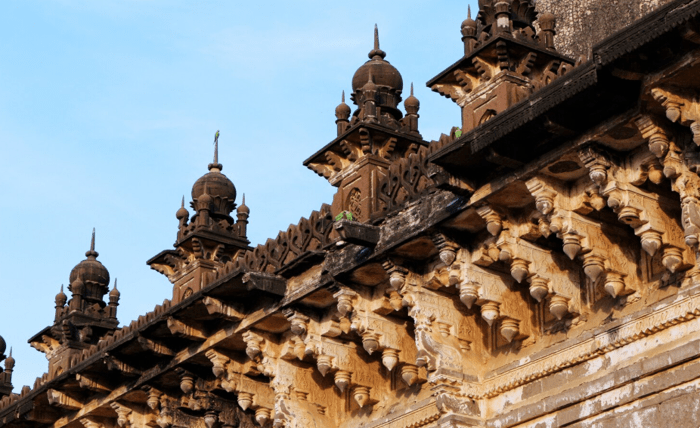
Ayodhya, one of the oldest living cities in the world, holds a sacred place in India’s cultural, spiritual, and historical landscape. Revered as the birthplace of Lord Rama, Ayodhya is deeply rooted in the epic Ramayana and has been a center of devotion, philosophy, and tradition for thousands of years. Today, the city attracts pilgrims, historians, and travelers who wish to explore India’s ancient heritage through its temples, ghats, and timeless legends. From majestic temples to serene riverbanks, the places to visit in Ayodhya offer a profound journey into India’s spiritual soul.
Ram Janmabhoomi
Ram Janmabhoomi is the most significant spiritual landmark in Ayodhya and a cornerstone of Indian heritage. Believed to be the birthplace of Lord Rama, this sacred site has been mentioned in ancient scriptures and revered for centuries. The newly developed temple complex reflects traditional Indian temple architecture while symbolizing faith, unity, and cultural revival. For devotees and cultural travelers alike, Ram Janmabhoomi stands as one of the most important places to visit in Ayodhya, offering deep spiritual resonance and historical insight.
Hanuman Garhi
Hanuman Garhi is an ancient hilltop temple dedicated to Lord Hanuman, the devoted follower of Lord Rama. According to legend, Hanuman lived here to protect Ayodhya. Visitors must climb a flight of steps to reach the shrine, where they are rewarded with panoramic views and a peaceful atmosphere. The temple plays a vital role in Ayodhya’s religious life and is usually visited before Ram Janmabhoomi as part of traditional worship practices. It remains one of the most popular places to visit in Ayodhya for devotees seeking strength and blessings.
Kanak Bhawan
Kanak Bhawan is a beautiful temple believed to have been gifted to Goddess Sita by Queen Kaikeyi after her marriage to Lord Rama. Known for its ornate interiors, gold-accented idols, and devotional ambiance, the temple showcases refined temple artistry from a later historical period. The idols of Rama and Sita dressed in royal attire symbolize prosperity and harmony. Kanak Bhawan is not only spiritually important but also architecturally graceful, making it one of the most admired places to visit in Ayodhya.
Dashrath Mahal
Dashrath Mahal is believed to be the royal residence of King Dashrath, father of Lord Rama. This palace-turned-temple complex is filled with vibrant colors, devotional music, and daily rituals. It reflects royal traditions and familial values described in ancient Hindu texts. Visiting Dashrath Mahal allows travelers to imagine the grandeur of ancient Ayodhya and understand the cultural context of the Ramayana. It is a must-see for those interested in mythology and heritage-focused places to visit in Ayodhya.
Saryu River
The sacred Saryu River is inseparable from Ayodhya’s identity. Mentioned in ancient scriptures, the river is believed to purify the soul. Pilgrims gather at its ghats to take holy dips, perform rituals, and attend the mesmerizing evening aarti. The calm flow of the river, especially during sunrise and sunset, creates a spiritual atmosphere that reflects India’s ancient river-based civilizations. A visit to the Saryu River is essential when exploring meaningful places to visit in Ayodhya.
Nageshwarnath Temple
Nageshwarnath Temple is an ancient shrine dedicated to Lord Shiva and is believed to have been established by Kush, the son of Lord Rama. This temple highlights Ayodhya’s connection not only to Vaishnavism but also to Shaivism, showcasing religious harmony in ancient India. The temple becomes especially vibrant during Mahashivratri and Ram Navami festivals. Its historical relevance and spiritual importance make it one of the lesser-known yet significant places to visit in Ayodhya.
Tulsi Smarak Bhawan
Tulsi Smarak Bhawan is dedicated to Goswami Tulsidas, the poet-saint who authored the Ramcharitmanas. This cultural center preserves manuscripts, hosts Ramayana-based performances, and promotes classical Indian art forms. It bridges ancient literature with modern cultural expression, helping visitors understand how Ayodhya’s spiritual legacy has been passed down through generations. For literature lovers and culture enthusiasts, this is one of the most enriching places to visit in Ayodhya.
Guptar Ghat
Guptar Ghat holds immense spiritual significance as it is believed to be the site where Lord Rama took jal samadhi. The ghat is surrounded by temples and offers a serene environment ideal for meditation and reflection. Its historical and mythological associations make it a deeply moving destination for spiritual seekers. Guptar Ghat adds depth to the list of spiritually immersive places to visit in Ayodhya.
Mani Parbat
Mani Parbat is an ancient mound believed to have Buddhist and Jain associations, highlighting Ayodhya’s multi-religious past. Archaeological findings suggest that the site once hosted monasteries and stupas. The hilltop offers panoramic views of the city and symbolizes Ayodhya’s role as a center of learning and spiritual diversity in ancient India. This site broadens the understanding of heritage-focused places to visit in Ayodhya beyond Hindu traditions.
Conclusion
Ayodhya is more than a pilgrimage destination—it is a living testament to India’s ancient heritage, spiritual traditions, and cultural continuity. From sacred temples and royal palaces to holy rivers and historic ghats, the places to visit in Ayodhya offer an immersive journey through mythology, devotion, and history. Each landmark reflects a chapter of India’s timeless civilization, making Ayodhya an essential destination for anyone seeking to understand the roots of Indian culture and spirituality.